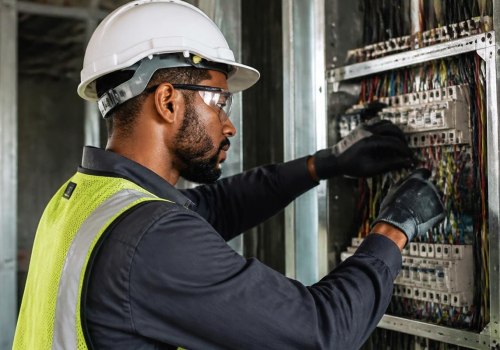
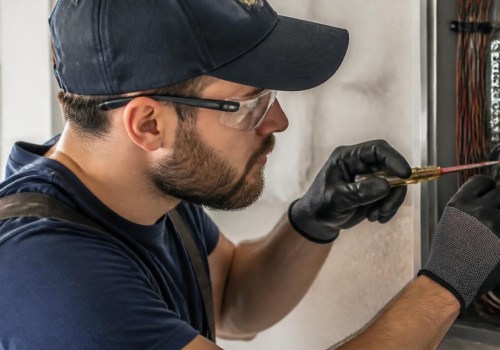
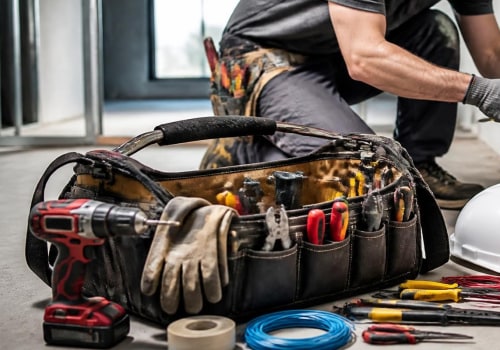
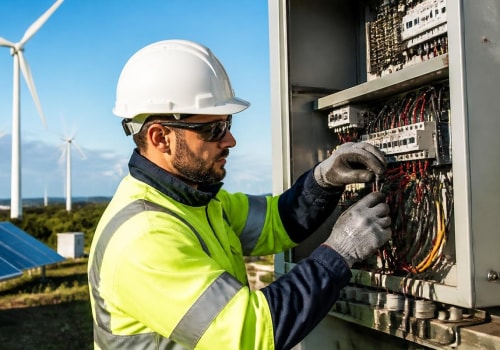
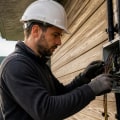
The role of an Electrical Wiring Installer is crucial in ensuring that our homes, businesses, and public spaces are equipped with safe and efficient electrical systems. These professionals are responsible for the installation, maintenance, and repair of various types of electrical wiring systems that power our daily lives. From residential buildings to large commercial facilities, the expertise of an electrical wiring installer is essential for creating reliable electrical infrastructures. Electrical systems can vary significantly in complexity and application. For instance, residential wiring typically involves connecting outlets, switches, and lighting fixtures to a central power source.
In contrast, commercial installations may require more intricate setups, including three-phase systems that support heavy machinery and specialized equipment. Understanding the different types of electrical systems is vital for installers as it directly impacts safety, efficiency, and compliance with local codes. As we delve deeper into the various types of electrical systems that Electrical Wiring Installers work with, we will explore how these systems function and the specific skills required to manage them effectively. This knowledge not only enhances the installer’s capabilities but also ensures that they can meet the diverse needs of their clients while adhering to industry standards.
Residential Electrical Systems
In residential settings, Electrical Wiring Installers work with a variety of systems designed to ensure safe and efficient power distribution throughout the home. Understanding these systems is crucial for homeowners looking to enhance their living spaces with reliable electrical installations.Types of Residential Electrical Systems
- Lighting Systems: These systems include wiring for ceiling fixtures, wall sconces, and outdoor lighting.
Proper installation ensures adequate illumination while adhering to safety standards.
- Outlet Wiring: Outlets are essential for powering everyday appliances and devices. Installers must consider the placement and load capacity to prevent overloading circuits.
- Appliance Circuits: Major appliances such as refrigerators, ovens, and washers require dedicated circuits. This prevents interference with other electrical devices and ensures optimal performance.
- Smart Home Systems: With the rise of technology, many homes now incorporate smart wiring for automated lighting, security systems, and energy management. Installers must be knowledgeable about integrating these advanced systems.
They must adhere to local building codes and regulations to ensure safety and functionality. Additionally, understanding the specific needs of a household can help installers recommend the best solutions for energy efficiency and convenience.In summary, residential electrical systems encompass a range of components that work together to provide power throughout the home. From lighting to smart technology, skilled Electrical Wiring Installers play a vital role in creating safe and effective electrical environments for homeowners.
Commercial Electrical Systems
When it comes to commercial electrical systems, the role of an Electrical Wiring Installer becomes increasingly vital. These systems are designed to handle the higher demands of businesses, which often require more complex wiring solutions compared to residential setups.In commercial settings, the electrical installations must accommodate a variety of equipment and machinery, ensuring that power distribution is efficient and safe.This includes:
- Lighting Systems: Commercial spaces often utilize advanced lighting solutions, including LED fixtures and smart lighting controls, which require specialized wiring.
- Power Distribution: Larger buildings may have multiple electrical panels and sub-panels to manage the distribution of electricity effectively.
- HVAC Systems: Heating, ventilation, and air conditioning systems are integral to commercial buildings, necessitating dedicated circuits and controls.
- Data and Communication Lines: With the rise of technology in business operations, wiring for data networks and communication systems is essential.
Their expertise ensures that commercial electrical installations are safe, efficient, and capable of supporting a wide range of operations.
Industrial Electrical Systems
Electrical Wiring Installers play a crucial role in the setup and maintenance of industrial electrical systems, which are essential for the efficient operation of factories and large-scale manufacturing facilities. These systems are designed to handle high voltage and heavy loads, making them significantly different from residential or commercial wiring.One of the primary responsibilities of an Electrical Wiring Installer in an industrial setting is factory wiring. This involves installing and maintaining electrical systems that power machinery, lighting, and other essential equipment. The complexity of these installations requires a deep understanding of electrical codes, safety regulations, and the specific needs of the machinery being used.In addition to factory wiring, installers often work with heavy machinery electrical installations.This includes connecting large machines such as conveyor belts, robotic arms, and industrial ovens to the electrical supply. Each piece of equipment may have unique power requirements, necessitating customized wiring solutions that ensure both functionality and safety.
- Safety Standards: Installers must adhere to strict safety standards to prevent accidents and ensure compliance with local regulations.
- Load Calculations: Accurate load calculations are essential to prevent overloads that could damage equipment or cause outages.
- Maintenance: Regular maintenance checks are vital for identifying potential issues before they escalate into costly repairs or downtime.
This collaborative approach is critical for maintaining operational efficiency in industrial settings.In summary, the role of an Electrical Wiring Installer in industrial electrical systems is both demanding and rewarding. Their expertise not only ensures that factories run smoothly but also contributes significantly to workplace safety and productivity.
Low Voltage Electrical Systems
Low voltage electrical systems are essential components in modern infrastructure, providing reliable solutions for various applications. These systems operate at voltages typically below 50 volts and are widely used in telecommunications, security systems, and other specialized wiring solutions.Telecommunications
is one of the primary applications of low voltage systems. Electrical Wiring Installers often work with structured cabling systems that support data transmission for internet and telephone services.This includes the installation of Cat 5e, Cat 6, and fiber optic cables, which are crucial for high-speed connectivity in residential and commercial buildings.Another significant application is in security systems. Low voltage wiring is used to connect components such as surveillance cameras, motion detectors, and alarm systems. These installations require careful planning to ensure that all devices communicate effectively while maintaining compliance with safety standards.Additionally, low voltage systems are utilized in lighting control, where installers set up systems that allow for automated or remote control of lighting fixtures. This not only enhances energy efficiency but also improves user convenience.Some other notable applications include:
- Home Automation: Integrating smart home devices that control heating, cooling, and entertainment systems.
- Audio/Visual Systems: Wiring for speakers, projectors, and other multimedia equipment.
- Intercom Systems: Facilitating communication within buildings through low voltage wiring.
Their expertise not only enhances safety but also contributes to the efficiency and effectiveness of modern electrical applications.
Renewable Energy Systems
The demand for renewable energy systems has surged in recent years, and as a result, Electrical Wiring Installers are increasingly finding themselves working with innovative technologies that harness natural resources. These systems not only contribute to sustainability but also offer significant savings on energy costs for consumers.Solar Panel Wiring
One of the most prevalent areas where electrical wiring installers are involved is in solar panel wiring. This process includes connecting solar panels to inverters, batteries, and the electrical grid. Installers must ensure that all connections are secure and compliant with local codes to maximize efficiency and safety.Understanding the intricacies of photovoltaic systems is essential, as it allows installers to troubleshoot issues and optimize performance.
Wind Energy Installations
Wind energy installations represent another exciting frontier for electrical wiring installers. These systems require specialized knowledge to connect turbines to the electrical grid. Installers must be adept at handling high-voltage systems and ensuring that all components function harmoniously. This includes wiring for control systems, safety mechanisms, and energy storage solutions.- Grid-Tied Systems: These systems allow excess energy generated by solar panels or wind turbines to be fed back into the grid, providing additional income for homeowners.
- Off-Grid Systems: For those looking to be completely independent from traditional power sources, off-grid systems require careful planning and installation of battery storage solutions.
- Hybrid Systems: Combining solar and wind energy can provide a more reliable power source, especially in areas with variable weather conditions.
As the world shifts towards greener solutions, the expertise of these professionals will be crucial in facilitating a sustainable future.
Smart Home Technology Integration
As the demand for smart home technology continues to rise, Electrical Wiring Installers play a crucial role in integrating these advanced systems into residential properties. Smart home technology encompasses a variety of devices and systems that enhance convenience, security, and energy efficiency through automation and remote control.One of the primary responsibilities of electrical wiring installers is to implement smart wiring solutions. This involves upgrading existing electrical systems to accommodate smart devices such as lighting controls, thermostats, security cameras, and home entertainment systems. By installing dedicated circuits and ensuring proper connectivity, installers help homeowners achieve seamless integration of their smart devices.Home Automation Installations
Home automation installations require a comprehensive understanding of both electrical systems and the specific technologies being integrated.Electrical wiring installers must be familiar with various protocols such as Wi-Fi, Zigbee, and Z-Wave to ensure that all devices communicate effectively. This knowledge allows them to create a cohesive network that enhances the functionality of smart home systems.
- Lighting Control: Installers can set up smart lighting systems that allow homeowners to control lights remotely or automate them based on schedules.
- Climate Control: Smart thermostats can be integrated to optimize heating and cooling, providing energy savings while maintaining comfort.
- Security Systems: Integrating smart locks, cameras, and alarms enhances home security and allows for remote monitoring.
- Entertainment Systems: Home theaters and audio systems can be automated for a more enjoyable experience.
Safety Standards and Regulations in Electrical Wiring
When it comes to electrical installations, compliance with safety standards and regulations is paramount.Electrical Wiring Installers must adhere to a variety of guidelines that ensure both the safety of the installation and the protection of individuals who interact with electrical systems.
Electrical safety standards
are established by organizations such as the National Fire Protection Association (NFPA) and the Institute of Electrical and Electronics Engineers (IEEE). These standards provide a framework for safe practices in electrical wiring, including:- National Electrical Code (NEC): This code outlines the minimum requirements for safe electrical installations in residential, commercial, and industrial settings.
- Occupational Safety and Health Administration (OSHA): OSHA regulations ensure that electrical work environments are safe for workers, addressing hazards such as electrocution and arc flash.
- Local Building Codes: Many states and municipalities have specific codes that must be followed, which may include additional requirements beyond national standards.
- The importance of using certified materials that meet industry standards.
- The necessity of obtaining permits before starting any major electrical work.
- The requirement for inspections by local authorities to verify compliance with safety codes.
By prioritizing compliance, they not only enhance their professional credibility but also contribute significantly to public safety.
Frequently Asked Questions about Electrical Wiring Installers
As an Electrical Wiring Installer, professionals often encounter a variety of electrical systems. Here are some frequently asked questions that shed light on their responsibilities and the types of systems they work with:What types of electrical systems do Electrical Wiring Installers work with?
- Residential Electrical Systems: These include wiring for homes, which encompasses lighting, outlets, and appliances. Installers ensure that all wiring meets local codes and safety standards.
- Commercial Electrical Systems: In commercial settings, installers work on larger systems that power office buildings, retail spaces, and industrial facilities. This may involve complex wiring for HVAC systems, security systems, and emergency lighting.
- Industrial Electrical Systems: These systems are found in manufacturing plants and factories.
Installers may work with heavy machinery, motors, and control panels that require specialized knowledge.
- Low Voltage Systems: This includes data cabling, telephone lines, and security systems. Installers must be familiar with the specific requirements for low voltage installations.
What are the common responsibilities of Electrical Wiring Installers?
- Installation: They install wiring systems according to blueprints and specifications.
- Maintenance: Regular maintenance checks are crucial to ensure safety and functionality.
- Troubleshooting: When issues arise, installers diagnose problems and implement solutions effectively.
- Compliance: Ensuring all installations comply with local building codes and regulations is a key responsibility.
Conclusion: The Diverse Role of Electrical Wiring Installers
In conclusion, the role of an Electrical Wiring Installer is both diverse and essential across various sectors. These professionals are not only responsible for the installation of wiring systems but also play a crucial role in ensuring safety and efficiency in electrical operations. Throughout this article, we explored the different types of electrical systems that Electrical Wiring Installers work with, including:- Residential Systems: These involve wiring for homes, including lighting, outlets, and appliances.
- Commercial Systems: Installers work on larger-scale projects such as office buildings, retail spaces, and industrial facilities.
- Industrial Systems: This includes heavy machinery and specialized equipment that require robust electrical setups.
- Renewable Energy Systems: With the rise of solar and wind energy, installers are increasingly involved in integrating these systems into existing infrastructures.
As technology continues to evolve, the demand for skilled Electrical Wiring Installers will likely increase, making their expertise invaluable in adapting to new innovations. Ultimately, understanding the various types of electrical systems that Electrical Wiring Installers engage with highlights their critical role in modern society. Their work ensures that our homes, businesses, and industries operate smoothly and safely, paving the way for future advancements in electrical technology.