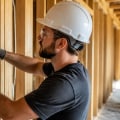
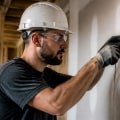
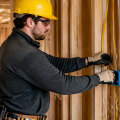
The profession of an Electrical Wiring Installer is crucial in ensuring that electrical systems are safely and efficiently installed in residential, commercial, and industrial settings. These skilled professionals are responsible for laying out, installing, and maintaining electrical wiring systems that power our homes and businesses. Their job description encompasses a variety of tasks, including interpreting blueprints, adhering to safety codes, and troubleshooting electrical issues. With the increasing reliance on technology and electricity in our daily lives, the demand for qualified Electrical Wiring Installers continues to grow. To excel in this role, an Electrical Wiring Installer must possess a unique set of skills.
Technical knowledge is paramount; installers need to understand electrical theory, wiring techniques, and the latest industry standards. Additionally, they must be adept at using various tools and equipment safely and effectively. Beyond technical skills, strong problem-solving abilities and attention to detail are essential for diagnosing issues and ensuring that installations meet regulatory requirements. However, one often-overlooked aspect of this profession is the importance of physical fitness. The job frequently requires installers to work in challenging environments, which may involve lifting heavy materials, climbing ladders, or working in confined spaces.
As we delve deeper into the significance of physical fitness for Electrical Wiring Installers, it becomes clear that maintaining a good level of health not only enhances job performance but also contributes to overall safety on the job site.
The Physical Demands of Electrical Wiring Installation
Electrical wiring installation is a physically demanding job that requires a unique set of physical capabilities. Installers often find themselves engaging in various tasks that can be strenuous and require a good level of physical fitness.One of the primary physical demands of an Electrical Wiring Installer is the need to lift and carry heavy materials. This can include items such as electrical panels, conduit, and wiring bundles, which can weigh significantly. Proper lifting techniques and core strength are essential to prevent injuries and ensure efficiency on the job.Additionally, electrical installers frequently work in confined spaces.Whether it’s crawling under floors or maneuvering in attics, these environments can be challenging. The ability to bend, twist, and reach into tight spots is crucial for completing installations effectively. This aspect of the job not only tests physical flexibility but also requires stamina to maintain focus and productivity throughout the day.Maintaining balance is another critical component of the job. Installers often work on ladders or scaffolding while handling tools and materials.
A strong sense of balance helps prevent falls and accidents, which are common risks in this line of work. Regular exercises that enhance core stability and leg strength can significantly benefit those in this profession.Moreover, the job often involves repetitive motions such as cutting wires, stripping insulation, and securing connections. These tasks can lead to fatigue or strain if not performed with proper technique. Therefore, staying physically fit not only aids in performing these tasks efficiently but also helps in reducing the risk of long-term injuries.In summary, the physical demands placed on an Electrical Wiring Installer are significant.
From lifting heavy materials to working in awkward positions, maintaining a good level of physical fitness is essential for success and safety in this profession.
Benefits of Physical Fitness for Electrical Wiring Installers
For an Electrical Wiring Installer, maintaining a high level of physical fitness is not just beneficial; it is essential for optimal job performance and overall well-being. The nature of the job often requires installers to engage in physically demanding tasks, such as lifting heavy equipment, climbing ladders, and working in confined spaces. Here are some key benefits of prioritizing physical fitness:- Enhanced Job Performance: Physical fitness directly correlates with improved stamina and endurance. An installer who is fit can work longer hours without fatigue, ensuring that projects are completed efficiently and on time.
- Injury Prevention: Regular exercise strengthens muscles and improves flexibility, which significantly reduces the risk of injuries.
For instance, a strong core can help prevent back injuries that are common among installers who frequently lift heavy materials.
- Health Advantages: Staying physically active helps maintain a healthy weight, lowers the risk of chronic diseases such as heart disease and diabetes, and boosts mental health. A healthy installer is more likely to have a positive attitude and better focus on the job.
- Improved Recovery Time: In the event of an injury, a fitter individual typically experiences faster recovery times. This means less downtime and quicker returns to work, which is crucial in a field where project deadlines are often tight.
Common Health Risks Faced by Electrical Wiring Installers
Electrical Wiring Installers face a variety of health risks due to the physical demands of their job.Understanding these risks is crucial for implementing effective safety measures and promoting overall well-being.One of the most common issues is musculoskeletal injuries. These injuries often arise from repetitive motions, awkward postures, and heavy lifting. For instance, installers frequently work in cramped spaces, which can lead to strain on the back, shoulders, and knees. Over time, these strains can develop into chronic pain conditions that significantly impact an installer’s quality of life.Another significant concern is fatigue.
The nature of electrical wiring installation often requires long hours of focused work, which can lead to both physical and mental exhaustion. Fatigue not only affects performance but also increases the risk of accidents on the job site. Installers who are tired may be less vigilant about safety protocols, putting themselves and others at risk.Additionally, exposure to hazardous materials and environments poses serious occupational hazards. Electrical Wiring Installers may encounter toxic substances or work in environments with poor ventilation.
Prolonged exposure can lead to respiratory issues or other health complications.To mitigate these risks, it is essential for Electrical Wiring Installers to prioritize physical fitness. Regular exercise can enhance strength, flexibility, and endurance, which are vital for performing physically demanding tasks safely. Furthermore, maintaining a healthy lifestyle can help combat fatigue and improve overall job performance.In conclusion, recognizing the common health risks faced by Electrical Wiring Installers underscores the importance of physical fitness as a preventive measure. By staying fit and healthy, installers can reduce their risk of injury and enhance their ability to perform their duties effectively.
Physical Fitness Regimens for Electrical Wiring Installers
For an Electrical Wiring Installer, maintaining physical fitness is crucial not only for personal health but also for enhancing job performance.The nature of the work often involves lifting heavy materials, climbing ladders, and working in awkward positions, making a tailored fitness regimen essential.
Strength Training
Incorporating strength training into your routine can significantly improve your ability to handle the physical demands of electrical installation. Here are some effective exercises:- Deadlifts: This exercise strengthens your back, legs, and core, which are vital for lifting and carrying equipment.
- Squats: Squats enhance leg strength and stability, helping you maintain balance while working at heights.
- Bench Press: Building upper body strength is essential for maneuvering tools and materials overhead.
Flexibility Exercises
Flexibility is equally important for an Electrical Wiring Installer, as it helps prevent injuries and improves overall mobility. Consider adding these flexibility exercises to your routine:- Hamstring Stretch: This stretch helps alleviate tension in the legs after long hours of standing or climbing.
- Shoulder Stretch: Keeping your shoulders flexible can reduce strain when reaching for high installations.
- Cobra Pose: This yoga pose opens up the chest and stretches the spine, counteracting the effects of bending and twisting during installations.
Real-Life Examples: Successful Electrical Wiring Installers and Their Fitness Routines
In the competitive field of electrical wiring installation, maintaining a strong physical fitness routine can significantly enhance performance and longevity in the profession.Here are some inspiring success stories from seasoned Electrical Wiring Installers who have integrated fitness into their daily lives.
Case Study: John Smith
John Smith, a veteran Electrical Wiring Installer with over 15 years of experience, attributes his success to a disciplined fitness regimen. He starts each day with a 30-minute workout that includes strength training and cardio. "Staying fit helps me manage the physical demands of my job, especially when working in tight spaces or lifting heavy equipment," John explains. His commitment to fitness not only boosts his energy levels but also enhances his focus and precision on the job.Interview: Sarah Johnson
In an interview, Sarah Johnson, a rising star in the electrical installation industry, shared her approach to fitness."I prioritize flexibility and core strength through yoga and pilates," she says. Sarah believes that these practices help prevent injuries and improve her overall agility while working. "Being fit allows me to tackle complex installations with confidence," she adds.
Fitness Routines of Top Installers
- Morning Workouts: Many successful installers start their day with a workout to boost energy levels.
- Strength Training: Incorporating weightlifting helps build the muscle strength necessary for lifting heavy tools and materials.
- Cardio Exercises: Activities like running or cycling improve cardiovascular health, essential for stamina during long workdays.
- Stretching and Flexibility: Regular stretching routines help maintain flexibility, reducing the risk of injuries.
FAQs About Physical Fitness for Electrical Wiring Installers
As an Electrical Wiring Installer, maintaining physical fitness is crucial not only for personal health but also for job performance.Here are some frequently asked questions regarding the importance of fitness in this profession:
- Why is physical fitness important for electrical wiring installers?
Physical fitness enhances endurance, strength, and flexibility, which are essential for performing tasks such as lifting heavy equipment, climbing ladders, and working in confined spaces. - What types of exercises should electrical wiring installers focus on?
A balanced fitness routine that includes strength training, cardiovascular exercises, and flexibility workouts is ideal. Focus on exercises that strengthen the core, legs, and back to support the physical demands of the job. - How can I prevent injuries while working as an electrical wiring installer?
Proper warm-up and stretching before work can significantly reduce the risk of injuries. Additionally, using correct lifting techniques and taking regular breaks can help maintain physical health. - Are there specific health tips for electrical wiring installers?
Yes! Staying hydrated, eating a balanced diet rich in nutrients, and getting adequate rest are vital. Incorporating regular physical activity into your daily routine will also enhance overall well-being.
Prioritizing health not only improves job performance but also contributes to a longer, more fulfilling career.
Conclusion: The Essential Link Between Physical Fitness and Success as an Electrical Wiring Installer
In conclusion, the role of physical fitness in the career of an Electrical Wiring Installer cannot be overstated. Throughout this article, we have explored how physical fitness directly impacts job performance, safety, and overall career longevity in this demanding field. Firstly, the physical demands of electrical wiring installation require strength and endurance. Installers often find themselves lifting heavy materials, climbing ladders, and working in confined spaces. Maintaining a good level of fitness not only enhances their ability to perform these tasks efficiently but also reduces the risk of injury. Moreover, being physically fit contributes to better mental health and focus.The ability to stay alert and make quick decisions is crucial when working with electrical systems. A fit body supports a sharp mind, enabling installers to troubleshoot problems effectively and maintain high standards of workmanship. Additionally, the competitive nature of the electrical industry means that those who prioritize their physical health may have an edge over their peers. Employers often seek out candidates who demonstrate a commitment to fitness as it reflects discipline and a proactive approach to personal well-being. In summary, aspiring and current Electrical Wiring Installers should recognize that investing in their physical fitness is not just about personal health; it is a strategic move that can lead to greater success in their careers. By prioritizing fitness, they can enhance their performance, ensure safety on the job, and ultimately pave the way for a more fulfilling professional journey.