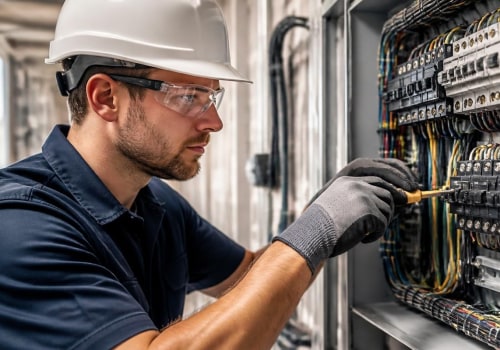
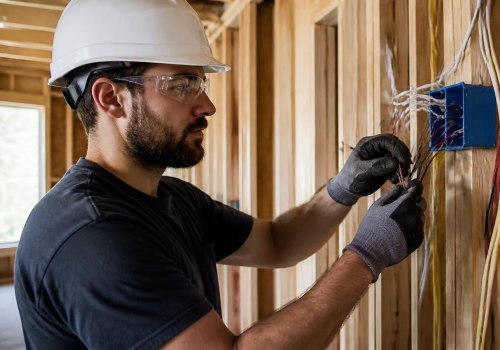
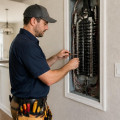
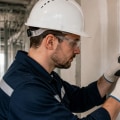
The profession of Electrical Wiring Installers plays a crucial role in the construction and maintenance of electrical systems in residential, commercial, and industrial settings. These skilled professionals are responsible for installing, maintaining, and repairing electrical wiring and equipment, ensuring that all systems operate safely and efficiently. Their expertise not only involves technical knowledge but also a deep understanding of safety protocols and regulations that govern electrical work. In their daily tasks, Electrical Wiring Installers must navigate various challenges, including working with complex wiring systems and adhering to strict building codes. They are often required to interpret blueprints and technical diagrams, which guide them in the installation process.
This meticulous attention to detail is essential, as even minor errors can lead to significant safety hazards or system failures. Moreover, the importance of safety cannot be overstated in this profession. Electrical Wiring Installers frequently encounter hazardous materials such as asbestos or lead-based products during renovations or repairs. Understanding how to handle these materials safely is paramount to protecting not only their own health but also the well-being of others in the vicinity. As we delve deeper into the responsibilities of Electrical Wiring Installers, it becomes clear that their role extends beyond mere installation; it encompasses a commitment to safety and compliance that is vital in today’s ever-evolving electrical landscape.
Identifying Hazardous Materials in Electrical Wiring
Electrical wiring installers often encounter a variety of hazardous materials that can pose significant risks to their health and safety.Identifying these materials is crucial for ensuring compliance with safety regulations and protecting both workers and the environment.Some of the most common types of hazardous materials found in electrical wiring include:
- Asbestos: Frequently used in older buildings for insulation, asbestos fibers can become airborne during installation or removal, leading to serious respiratory issues.
- Lead: Often found in older wiring and solder, lead exposure can result in neurological damage and other health problems, particularly in children.
- Chemicals in Insulation: Many types of insulation contain harmful chemicals such as formaldehyde or flame retardants, which can emit toxic fumes when disturbed.
- PCBs (Polychlorinated Biphenyls): Used in electrical equipment like transformers, PCBs are known carcinogens that require careful handling and disposal.
Regulatory Standards and Compliance
Electrical wiring installers operate within a complex framework of regulatory standards designed to ensure safety and compliance when dealing with hazardous materials.These regulations are primarily enforced by the Occupational Safety and Health Administration (OSHA), which sets forth guidelines that must be adhered to in order to protect workers from potential hazards associated with electrical installations.One of the key aspects of OSHA regulations is the requirement for proper training and certification for electrical wiring installers. This training includes understanding the risks associated with hazardous materials, such as asbestos, lead, and various chemicals used in insulation and wiring. Installers must be familiar with the Material Safety Data Sheets (MSDS) for these substances, which provide critical information on handling, storage, and emergency measures.In addition to OSHA standards, local regulations may impose additional requirements that electrical wiring installers must follow. These can include:
- Permitting: Many jurisdictions require permits for electrical work, especially when hazardous materials are involved.
- Inspections: Regular inspections may be mandated to ensure compliance with safety standards.
- Reporting: Installers may need to report any incidents involving hazardous materials to local authorities.
Failure to adhere to these standards can result in severe penalties, including fines and work stoppages. Moreover, maintaining compliance fosters a culture of safety within the workplace, reducing the risk of accidents and injuries.Ultimately, electrical wiring installers must stay informed about both federal and local regulations regarding hazardous materials. This ongoing education is crucial for adapting to changes in laws and ensuring that all safety protocols are followed diligently.
Safety Protocols for Handling Hazardous Materials
Electrical wiring installers often encounter hazardous materials, such as asbestos, lead, and various chemicals used in insulation and wiring. To ensure their safety and the safety of those around them, it is crucial for these professionals to adhere to strict safety protocols.Personal Protective Equipment (PPE)
- Gloves: Installers should wear appropriate gloves to protect against chemical exposure and cuts from sharp objects.
- Respirators: When working in environments with airborne contaminants, respirators are essential to prevent inhalation of harmful substances.
- Safety Goggles: Eye protection is vital when handling materials that may produce dust or splashes.
- Hard Hats: To protect against head injuries from falling objects, hard hats should be worn at all times on job sites.
- Protective Clothing: Long-sleeved shirts and pants made from durable materials can help shield the skin from hazardous substances.
Safe Handling Practices
- Material Safety Data Sheets (MSDS): Installers must familiarize themselves with MSDS for all hazardous materials they may encounter.
These documents provide critical information on handling, storage, and emergency measures.
- Proper Ventilation: Ensuring adequate ventilation in work areas helps minimize exposure to harmful fumes and dust.
- Regular Training: Ongoing training on safety protocols and updates on new regulations is essential for all electrical wiring installers.
- Emergency Procedures: Knowing the correct procedures for spills or exposure incidents can significantly reduce risks. Installers should always have access to first aid kits and emergency contact numbers.
Training and Certification for Electrical Wiring Installers
In the field of electrical wiring installation, training and certification are crucial components that ensure professionals are well-equipped to handle hazardous materials safely. The complexity of electrical systems and the potential risks associated with improper handling of hazardous substances necessitate a robust educational foundation.Training Programs
- Most electrical wiring installers begin their careers through formal training programs, which often include a combination of classroom instruction and hands-on experience.
- These programs cover essential topics such as electrical theory, safety protocols, and the identification and management of hazardous materials.
- Many institutions also emphasize the importance of understanding local codes and regulations related to hazardous materials.
Certification Programs
- Upon completing their training, aspiring electrical wiring installers typically pursue certification from recognized organizations. This certification serves as a testament to their knowledge and skills in safely handling hazardous materials.
- Certifications may include specialized training in areas such as hazardous waste management, which is critical for installers who may encounter toxic substances during their work.
Continuing Education
- The electrical industry is constantly evolving, with new technologies and regulations emerging regularly.
Therefore, continuing education is vital for electrical wiring installers.
- Many states require ongoing training to maintain certification, ensuring that installers stay updated on best practices for handling hazardous materials.
- This commitment to lifelong learning not only enhances safety but also improves overall job performance and compliance with industry standards.
Best Practices for Minimizing Risks
Electrical wiring installers face various hazards, particularly when dealing with hazardous materials such as asbestos, lead, and certain chemicals. To ensure safety and compliance, it is crucial for these professionals to adopt best practices that minimize risks associated with these materials.- Conduct Thorough Risk Assessments: Before starting any project, electrical wiring installers should perform a comprehensive risk assessment. This involves identifying potential hazards in the work environment and evaluating the risks associated with hazardous materials.
- Use Personal Protective Equipment (PPE): Proper PPE is essential for minimizing exposure to hazardous materials.
Installers should wear gloves, masks, goggles, and protective clothing as appropriate to safeguard against harmful substances.
- Implement Safe Handling Procedures: When working with hazardous materials, installers must follow established protocols for safe handling. This includes using tools designed for specific tasks and ensuring that materials are stored properly to prevent spills or leaks.
- Stay Informed About Regulations: Electrical wiring installers should keep up-to-date with local and federal regulations regarding hazardous materials. Understanding these laws helps ensure compliance and promotes a safer work environment.
- Provide Training and Education: Regular training sessions on the safe handling of hazardous materials can significantly reduce risks. Installers should be educated on the potential dangers and the correct procedures to follow in case of exposure.
- Utilize Proper Disposal Methods: After completing a project, it is vital to dispose of hazardous materials correctly.
Installers should follow local guidelines for disposal to prevent environmental contamination and health risks.
Case Studies: Real-Life Examples of Hazardous Material Management
Electrical wiring installers often encounter hazardous materials in their line of work, necessitating effective management strategies. Here are some case studies that highlight successful practices in dealing with these challenges.Case Study 1: Asbestos Removal in Older Buildings
In a renovation project of a historic building, electrical wiring installers discovered asbestos insulation around old wiring. The team immediately halted work and contacted a licensed asbestos abatement contractor.They implemented a comprehensive safety plan that included:
- Personal Protective Equipment (PPE): Installers wore respirators, gloves, and protective suits.
- Air Monitoring: Continuous air quality assessments were conducted to ensure safety.
- Training: All team members received training on asbestos handling and emergency procedures.
Case Study 2: Lead Exposure in Renovation Projects
During a residential renovation, an electrical wiring installer encountered lead-based paint. Recognizing the potential health risks, the installer took the following steps:- Risk Assessment: Conducted an assessment to identify lead exposure risks.
- Containment Measures: Set up containment areas to prevent lead dust from spreading.
- Safe Disposal: Ensured that all lead-containing materials were disposed of according to local regulations.
Lessons Learned from Incidents
These case studies reveal several key lessons for electrical wiring installers:- Prioritize Safety Training: Regular training on hazardous materials can significantly reduce risks.
- Implement Safety Protocols: Establishing clear protocols for hazardous material management is crucial.
- Engage Professionals: When in doubt, consult with specialists for hazardous material handling.
Frequently Asked Questions (FAQs)
Electrical wiring installers often encounter hazardous materials during their work, and understanding how to manage these risks is crucial for safety. Here are some frequently asked questions regarding this important aspect of their job:- What types of hazardous materials do electrical wiring installers commonly deal with?
Electrical wiring installers may come into contact with materials such as asbestos, lead, and various chemicals used in insulation and wiring. These substances can pose serious health risks if not handled properly. - How do electrical wiring installers ensure their safety when working with hazardous materials?
Safety protocols include wearing appropriate personal protective equipment (PPE) such as gloves, masks, and goggles.Additionally, installers are trained to follow strict safety guidelines and regulations to minimize exposure.
- Are there specific training programs for handling hazardous materials?
Yes, many electrical wiring installers undergo specialized training programs that focus on the safe handling of hazardous materials. This training often includes recognizing hazards, proper disposal methods, and emergency response procedures. - What should an installer do if they suspect they have been exposed to a hazardous material?
If exposure is suspected, the installer should immediately follow the established safety protocols, which typically involve reporting the incident to a supervisor and seeking medical attention if necessary.
Conclusion: The Importance of Safety in Electrical Wiring Installation
In conclusion, the role of an Electrical Wiring Installer extends far beyond the mere installation of wiring systems; it encompasses a profound responsibility for safety, particularly when hazardous materials are involved. Throughout this article, we have explored the various safety protocols and training that are essential for installers to effectively manage these risks. Understanding the nature of hazardous materials is crucial.Installers must be well-versed in identifying substances such as asbestos, lead, and certain chemicals that may be present in older buildings or specific environments. This knowledge not only protects their health but also ensures the safety of clients and the general public.Key Safety Protocols:
- Personal Protective Equipment (PPE): The use of appropriate PPE, including gloves, masks, and goggles, is vital in minimizing exposure to harmful substances.
- Proper Training: Continuous education on handling hazardous materials and emergency response procedures is essential for all electrical wiring installers.
- Regular Inspections: Conducting thorough inspections of work sites helps identify potential hazards before they become serious issues.