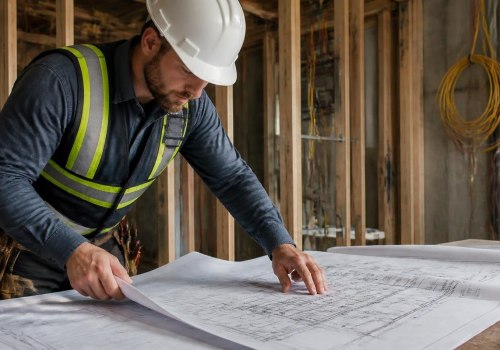
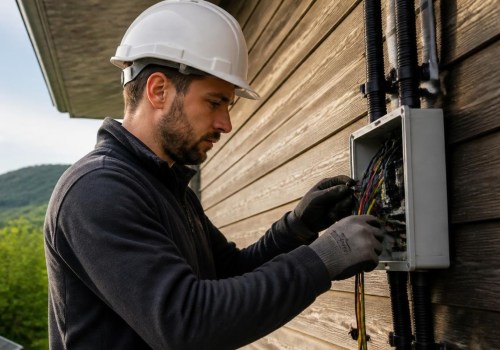
The profession of an Electrical Wiring Installer is crucial in ensuring that electrical systems are safely and efficiently integrated into residential, commercial, and industrial buildings. These skilled professionals are responsible for installing, maintaining, and repairing electrical wiring and equipment, which requires a deep understanding of electrical codes, safety protocols, and the latest technologies. Their role extends beyond mere installation; they must also troubleshoot issues, collaborate with other trades, and ensure that all work complies with local regulations. One of the key responsibilities of an Electrical Wiring Installer is to interpret blueprints and technical diagrams to determine the layout of electrical systems. This involves meticulous planning and coordination to ensure that installations are completed on time and within budget.
Effective time management is essential in this role, as installers often juggle multiple tasks, from sourcing materials to coordinating with contractors and clients. By prioritizing their workload and utilizing efficient techniques, they can minimize downtime and enhance productivity on job sites. Moreover, the importance of time management cannot be overstated in the fast-paced environment of electrical installations. Installers must adapt to changing conditions, such as unexpected delays or alterations in project scope. By employing strategies like setting realistic timelines, using checklists for task completion, and maintaining open communication with team members, Electrical Wiring Installers can navigate these challenges effectively.
Ultimately, their ability to manage time efficiently not only impacts their own performance but also contributes significantly to the overall success of construction projects.
The Importance of Time Management in Electrical Wiring Installation
Effective time management is a cornerstone of success for Electrical Wiring Installers. It not only influences the pace of work but also significantly impacts project outcomes, safety, and overall job satisfaction. When installers manage their time efficiently, they can adhere to project timelines, which is crucial in a field where delays can lead to increased costs and client dissatisfaction.One of the primary benefits of time management in electrical wiring installation is enhanced efficiency. By planning tasks and prioritizing activities, installers can minimize downtime and maximize productivity.For instance, preparing tools and materials before starting a job allows for a smoother workflow, reducing the time spent on unnecessary trips back to the truck or warehouse.
- Improved Safety: Proper time management helps installers avoid rushing through tasks, which can lead to mistakes and accidents. A well-structured schedule allows for thorough inspections and adherence to safety protocols.
- Increased Job Satisfaction: When installers complete projects on time, it fosters a sense of accomplishment. This satisfaction can lead to better morale and motivation, ultimately enhancing the quality of work.
- Client Trust: Timely completion of projects builds trust with clients. When clients see that an installer respects deadlines, they are more likely to recommend their services to others.
Whether it’s troubleshooting an electrical issue or adapting to changes in project scope, having a flexible yet structured schedule allows installers to respond promptly without compromising quality.In conclusion, mastering time management is essential for Electrical Wiring Installers. It not only enhances efficiency but also contributes to safety and job satisfaction, ultimately leading to successful project completions and satisfied clients.
Common Challenges Faced by Electrical Wiring Installers on Job Sites
Electrical wiring installers face a myriad of challenges on job sites that can significantly impact their ability to manage time effectively. Understanding these obstacles is crucial for improving efficiency and ensuring project deadlines are met.- Unpredictable Job Site Conditions: Weather changes, site accessibility issues, and unexpected structural complications can disrupt planned schedules. For instance, rain or snow can delay outdoor installations, forcing installers to adapt quickly.
- Coordination with Other Trades: Electrical wiring installers often work alongside plumbers, carpenters, and HVAC technicians.
Miscommunication or scheduling conflicts with these trades can lead to downtime, as installers may need to wait for other work to be completed before they can proceed.
- Material Availability: Delays in the delivery of essential materials and tools can halt progress. Installers must often manage their time around these uncertainties, which can lead to inefficiencies.
- Complexity of Installations: Each project presents unique challenges, such as navigating existing wiring or adhering to specific building codes. These complexities require careful planning and execution, which can extend the time needed for installation.
- Safety Regulations: Compliance with safety standards is paramount in electrical work. Installers must allocate time for safety checks and training, which can slow down the overall workflow.
Effective communication with team members, proactive planning for material needs, and flexibility in adapting to changing conditions are essential skills that can enhance time management on job sites.
Effective Time Management Strategies for Electrical Wiring Installers
Effective time management is crucial for Electrical Wiring Installers to enhance productivity and ensure project deadlines are met. Here are some actionable strategies that can help:- Prioritize Tasks: Begin each day by identifying the most critical tasks. Use a priority matrix to distinguish between urgent and important tasks, allowing you to focus on what truly matters.
- Create a Detailed Schedule: Develop a daily or weekly schedule that outlines specific tasks and estimated completion times. This helps in visualizing the workload and allocating time effectively.
- Utilize Technology: Leverage project management tools and apps designed for contractors.
These tools can help track progress, manage schedules, and communicate with team members efficiently.
- Set Realistic Goals: Break larger projects into smaller, manageable tasks with achievable deadlines. This not only makes the work less overwhelming but also provides a sense of accomplishment as each task is completed.
- Minimize Distractions: Identify common distractions on the job site and take steps to minimize them. This could involve setting specific times for breaks or using noise-canceling headphones to maintain focus.
- Regularly Review Progress: At the end of each day or week, review what was accomplished versus what was planned. This reflection can help identify areas for improvement in time management practices.
Utilizing Technology to Enhance Time Management
In the fast-paced world of electrical installation, time management is crucial for maximizing productivity and ensuring project deadlines are met.Fortunately, advancements in technology have provided electrical wiring installers with a variety of tools and applications designed to streamline their workflow.
Mobile Applications for Time Tracking
- Time Tracking Apps: Applications like Toggl and Clockify allow electrical installers to track the time spent on various tasks directly from their smartphones. This real-time tracking helps in identifying areas where time can be saved.
- Project Management Tools: Software such as Trello or Asana enables installers to organize tasks, set deadlines, and collaborate with team members efficiently. These platforms help in visualizing project timelines and responsibilities.
Digital Tools for Efficiency
- Estimating Software: Tools like PlanSwift or AccuBid assist electrical wiring installers in creating accurate estimates quickly. This not only saves time during the bidding process but also helps in planning resources effectively.
- Inventory Management Systems: Utilizing apps that track inventory levels ensures that installers have the necessary materials on hand, reducing downtime caused by material shortages.
Communication Technologies
- Instant Messaging Platforms: Tools like Slack or Microsoft Teams facilitate quick communication among team members, allowing for immediate updates and problem-solving without the need for lengthy meetings.
- Video Conferencing: For remote consultations or training sessions, platforms like Zoom can save travel time and allow installers to connect with experts or clients from anywhere.
Embracing technology not only simplifies daily tasks but also empowers installers to focus on delivering high-quality work within tight schedules.
Case Studies: Successful Time Management in Action
Time management is crucial for electrical wiring installers to ensure projects are completed efficiently and within budget. Here are some compelling case studies that illustrate successful time management strategies in action:Case Study 1: Streamlined Project Planning
A mid-sized electrical contracting firm in Texas faced challenges with project delays due to poor planning. By adopting a detailed project management software, they were able to create comprehensive timelines and allocate resources effectively. This change resulted in a 30% reduction in project completion times, allowing the team to take on more jobs without compromising quality.Case Study 2: Effective Communication
In California, a team of electrical wiring installers implemented daily briefings to enhance communication among crew members.Each morning, they discussed the day's tasks, potential obstacles, and safety protocols. This practice not only improved team cohesion but also led to a 25% increase in productivity as everyone was aligned on their responsibilities.
Case Study 3: Utilizing Technology
An electrical contractor in New York integrated mobile technology into their workflow. By using apps for scheduling and real-time updates, installers could track their progress and adjust plans on the fly. This approach minimized downtime and resulted in a 15% faster job completion rate compared to previous projects.Case Study 4: Training and Development
A company in Florida invested in ongoing training for their electrical wiring installers, focusing on time management techniques and efficient work practices.As a result, the team became more adept at managing their time on-site, leading to fewer mistakes and a 20% decrease in rework.These case studies highlight that effective time management strategies can significantly enhance the performance of electrical wiring installers. By focusing on planning, communication, technology, and training, contractors can achieve remarkable improvements in efficiency and productivity.
Frequently Asked Questions about Time Management for Electrical Wiring Installers
Time management is crucial for Electrical Wiring Installers to ensure efficiency and productivity on job sites. Here are some frequently asked questions regarding how these professionals manage their time effectively:- What strategies do Electrical Wiring Installers use to prioritize tasks?
Electrical wiring installers often start their day by reviewing the project scope and identifying critical tasks. They prioritize based on deadlines, complexity, and dependencies, ensuring that essential installations are completed first. - How do Electrical Wiring Installers handle unexpected delays?
Unexpected delays can arise from various factors such as weather conditions or supply chain issues.Skilled installers maintain flexibility in their schedules and communicate proactively with team members and clients to adjust timelines as needed.
- What tools do Electrical Wiring Installers use for time management?
Many installers utilize project management software and mobile apps to track progress, schedule tasks, and communicate with team members. These tools help streamline workflows and keep everyone informed about project timelines. - How important is communication in managing time on job sites?
Effective communication is vital for Electrical Wiring Installers. Regular check-ins with team members help identify potential bottlenecks early, allowing for timely adjustments that keep the project on track.
Conclusion: Key Takeaways for Electrical Wiring Installers
In conclusion, effective time management is crucial for Electrical Wiring Installers to enhance productivity and ensure project success. By implementing the strategies discussed throughout this article, installers can significantly improve their workflow and minimize delays.Key Takeaways:- Prioritize Tasks: Understanding which tasks are most critical allows installers to focus their efforts where they are needed most, ensuring that essential work is completed on time.
- Utilize Technology: Leveraging tools such as project management software and mobile apps can streamline communication and task tracking, making it easier to stay organized.
- Plan Ahead: Preparing for each job by reviewing plans and materials beforehand can prevent last-minute scrambles and help maintain a steady pace throughout the project.
- Continuous Learning: Staying updated with industry trends and best practices can lead to more efficient methods of working, ultimately saving time on job sites.
As the demand for skilled electricians continues to grow, those who master time management will stand out in a competitive field. Embrace these strategies today to elevate your performance and ensure your projects are completed on schedule.