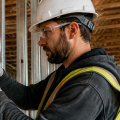
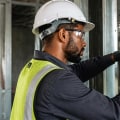
Electrical wiring installation is a critical aspect of modern construction and renovation projects, yet it is fraught with numerous challenges that can complicate the process for electrical wiring installers. Understanding these challenges is essential not only for professionals in the field but also for clients who wish to ensure their projects are completed efficiently and safely. From navigating complex building codes to managing unexpected site conditions, the hurdles faced by installers can significantly impact timelines and budgets. One of the most common issues encountered during electrical wiring installation is the inconsistency of existing infrastructure. Installers often find themselves working with outdated or poorly maintained systems that do not meet current safety standards.
This can lead to complications such as incompatibility with new wiring technologies or the need for extensive retrofitting, which can delay project completion and increase costs. Additionally, the physical environment where installations occur can present unique challenges, including limited access to tight spaces and the need to work around other trades. Moreover, communication between various stakeholders—such as contractors, architects, and clients—can sometimes falter, leading to misunderstandings about project specifications or changes in scope. These miscommunications can result in costly rework or delays that affect not just the electrical installation but the entire project timeline. By recognizing these common problems in electrical wiring, both installers and clients can better prepare for potential obstacles, ensuring a smoother installation process.
Understanding Electrical Codes and Regulations
For an Electrical Wiring Installer, understanding and adhering to electrical codes and regulations is paramount.These codes are designed to ensure safety, reliability, and efficiency in electrical installations. However, navigating these regulations can present several challenges.
Local and National Codes
- Electrical codes can vary significantly from one locality to another. Installers must be familiar with both national standards, such as the National Electrical Code (NEC), and local amendments that may impose stricter requirements.
- Staying updated on changes to these codes is essential, as they can evolve frequently based on new safety research or technological advancements.
- One of the primary challenges faced by installers is ensuring compliance with all applicable codes during the installation process. This includes understanding the specific requirements for different types of wiring, grounding methods, and circuit configurations.
- Failure to comply can lead to costly rework, fines, or even legal repercussions.
Therefore, installers must be diligent in their work and often require ongoing education to keep their knowledge current.
- Proper documentation is crucial for demonstrating compliance with electrical codes. Installers must maintain accurate records of their work, including permits, inspections, and any modifications made during the installation process.
- Additionally, preparing for inspections can be daunting. Installers need to ensure that all aspects of their work meet code requirements before an inspector arrives, which can add pressure to the installation timeline.
Safety Hazards in Electrical Wiring Installation
Electrical wiring installers face numerous safety hazards that can pose serious risks to their health and well-being. Understanding these hazards is crucial for ensuring a safe working environment. One of the most significant risks is the potential for electrical shocks.This can occur when installers come into contact with live wires or faulty equipment. To mitigate this risk, it is essential to follow strict safety protocols, such as:
- Always de-energizing circuits before beginning work.
- Using insulated tools and wearing appropriate personal protective equipment (PPE).
- Regularly inspecting tools and equipment for damage.
- Ensure ladders are stable and positioned correctly.
- Use harnesses when working at significant heights.
- Maintain a clutter-free workspace to avoid tripping hazards.
Installers should be aware of the materials they are working with and take necessary precautions, including:
- Wearing respirators when necessary.
- Following proper disposal procedures for hazardous waste.
Dealing with Complex Installations and Designs
Electrical wiring installers often encounter complex installations that require a deep understanding of both the technical and design aspects of electrical systems. These challenges can arise from various factors, including the architectural layout of a building, the integration of modern technology, and compliance with local codes and regulations.One significant challenge is navigating design complexities. Installers must interpret detailed blueprints and schematics, which may include intricate layouts with multiple circuits, specialized lighting, and advanced control systems.Misinterpretation can lead to costly mistakes, making it essential for installers to have strong analytical skills and attention to detail.Additionally, troubleshooting wiring issues in complex installations can be particularly daunting. Problems such as intermittent power loss or circuit overloads may not be immediately apparent. Installers need to employ systematic troubleshooting techniques, such as:
- Visual Inspections: Checking for visible signs of wear or damage in wiring and connections.
- Testing Equipment: Utilizing multimeters and circuit testers to diagnose electrical flow and identify faults.
- Documentation Review: Referring back to installation plans and previous maintenance records to pinpoint potential issues.
This requires ongoing education and adaptability to keep up with rapidly evolving technologies.In conclusion, while complex installations present numerous challenges for electrical wiring installers, a combination of technical knowledge, problem-solving skills, and continuous learning can help overcome these hurdles effectively.
Managing Client Expectations and Communication
Effective client communication is crucial for Electrical Wiring Installers to ensure a smooth installation process and high customer satisfaction. From the initial consultation to the final walkthrough, clear and consistent communication helps to build trust and manage expectations.Managing expectations
begins with understanding the client's needs and preferences. During the first meeting, installers should ask detailed questions about the project scope, timelines, and budget constraints. This not only clarifies the client's vision but also allows the installer to provide realistic timelines and cost estimates.Throughout the installation process, it is essential to keep clients informed about progress and any potential issues that may arise.Regular updates can be communicated through:
- Email: Sending weekly updates or important notifications.
- Phone calls: Quick check-ins to discuss any immediate concerns.
- In-person meetings: Scheduling time to review progress and address questions.
Customer service
is another vital component of managing client expectations. Installers should be approachable and responsive to inquiries, demonstrating a commitment to quality service. Addressing concerns promptly can prevent misunderstandings and enhance overall satisfaction.In conclusion, by prioritizing effective communication and actively managing client expectations, Electrical Wiring Installers can significantly improve their service quality and foster long-term relationships with clients.
This not only leads to repeat business but also encourages positive referrals in a competitive market.
Environmental Factors Affecting Electrical Installations
When it comes to electrical installations, environmental factors play a crucial role in determining the success and safety of the project. Installers must be acutely aware of how various weather conditions can impact their work, especially when dealing with outdoor wiring.Weather Impact on Installations
- Rain and Moisture: Wet conditions can lead to increased risks of short circuits and corrosion. Installers need to ensure that all connections are properly sealed and that materials used are rated for wet environments.
- Extreme Temperatures: Both high and low temperatures can affect the performance of electrical components. For instance, extreme cold can make wires brittle, while excessive heat can cause insulation to degrade faster.
- Wind: High winds can pose challenges during installation, particularly for overhead wiring.
Installers must secure materials properly to prevent damage or accidents.
- Snow and Ice: Accumulation of snow and ice can add significant weight to overhead lines and structures, increasing the risk of failure. Additionally, icy conditions can make working on ladders or scaffolding hazardous.
Outdoor Wiring Challenges
Electrical wiring installers often face unique challenges when working outdoors. These include:
- Accessibility: Outdoor sites may be difficult to access due to terrain or weather conditions, complicating the installation process.
- Wildlife Interference: Animals may chew on wires or disrupt installations, necessitating protective measures.
- Regulatory Compliance: Installers must adhere to local codes that may dictate specific requirements for outdoor installations, especially in areas prone to severe weather.
Frequently Asked Questions about Electrical Wiring Challenges
Electrical wiring installers often encounter a variety of challenges that can complicate their work.Here are some frequently asked questions that highlight these common issues:
- What are the most common issues faced during electrical wiring installation?
Installers frequently deal with problems such as outdated wiring systems, code compliance issues, and unexpected obstacles like structural elements that hinder installation. Additionally, ensuring proper grounding and bonding can be a challenge. - How do installers troubleshoot wiring problems?
Troubleshooting typically involves a systematic approach: checking for visible damage, using multimeters to test voltage and continuity, and verifying connections. Installers often refer to wiring diagrams to ensure everything is connected correctly. - What safety precautions should be taken during installation?
Safety is paramount in electrical work. Installers must always turn off power at the circuit breaker before starting any work, use insulated tools, and wear appropriate personal protective equipment (PPE).Understanding local electrical codes is also crucial for ensuring safety and compliance.
- How can installers prepare for unexpected challenges?
Preparation is key. Installers should conduct thorough site assessments before beginning work, maintain a well-stocked toolkit with essential supplies, and stay updated on the latest industry standards and technologies. This proactive approach helps mitigate potential issues.
Conclusion: Overcoming Challenges in Electrical Wiring Installation
In conclusion, the role of an Electrical Wiring Installer is fraught with various challenges that can impact both the efficiency of their work and the safety of the installations. Understanding these challenges is crucial for both new and experienced installers to navigate the complexities of electrical wiring effectively. Throughout this article, we have explored several key challenges faced by electrical wiring installers, including:- Compliance with Regulations: Staying updated with local codes and regulations is essential to ensure safety and legality in installations.
- Safety Hazards: Working with electricity poses inherent risks, making it vital for installers to prioritize safety protocols and use appropriate protective gear.
- Technical Skills: The need for continuous education and training in new technologies and methods is paramount as the industry evolves.
- Time Management: Balancing multiple projects while adhering to deadlines can be challenging, requiring effective planning and organization.
- Invest in Training: Regular training sessions can help installers stay abreast of new technologies and safety practices.
- Utilize Technology: Leveraging software tools for project management can streamline workflows and enhance efficiency.
- Network with Peers: Engaging with other professionals in the field can provide valuable insights and support.
Embracing a mindset of continuous improvement will not only benefit individual installers but also contribute to the overall advancement of the electrical industry.