Electrical inspections play a crucial role in maintaining electrical safety and ensuring compliance with established regulations. These inspections are not merely a formality; they are essential for identifying potential hazards that could lead to serious accidents or costly damages. For Electrical Wiring Installers, understanding the importance of these inspections is vital, as it directly impacts their work quality and the safety of the environments they help create. When installations are subjected to rigorous inspections, it ensures that all wiring adheres to electrical safety standards. This not only protects the occupants of a building but also safeguards the installers from liability issues that may arise from faulty work.
Moreover, passing an inspection can enhance an installer’s reputation, leading to increased trust from clients and potentially more business opportunities. In addition to safety and compliance, electrical inspections serve as a proactive measure to prevent future problems. By identifying issues early on, installers can address them before they escalate into significant concerns. This foresight not only saves time and money but also reinforces the importance of thorough preparation for every inspection. As we delve deeper into how Electrical Wiring Installers prepare for these critical evaluations, it becomes clear that their diligence is key to ensuring safe and reliable electrical systems.
Key Regulations and Standards for Electrical Wiring
For Electrical Wiring Installers, understanding and adhering to key regulations and standards is crucial for ensuring safety and compliance during inspections.The primary framework governing electrical installations in the United States is the National Electrical Code (NEC), which sets forth guidelines that must be followed to ensure safe electrical practices.The NEC is updated every three years, reflecting advancements in technology and safety practices. It covers a wide range of topics, including:
- Wiring methods - Specifies acceptable materials and installation techniques.
- Grounding and bonding - Ensures that electrical systems are properly grounded to prevent shock hazards.
- Overcurrent protection - Outlines requirements for circuit breakers and fuses to protect against overloads.
- Research local codes - Familiarize themselves with specific regulations that apply to their area.
- Consult with local authorities - Engage with building inspectors or local code enforcement officers for clarification on any ambiguous regulations.
- Document compliance - Keep detailed records of all installations, including materials used and methods employed, to demonstrate adherence during inspections.
This proactive approach not only ensures compliance but also promotes safety and reliability in electrical installations.
Common Issues Found During Electrical Inspections
Electrical inspections are critical for ensuring safety and compliance with local codes. However, common electrical inspection failures can lead to delays and additional costs. Understanding these pitfalls can help Electrical Wiring Installers prepare effectively.- Improper Grounding: One of the most frequent issues is inadequate grounding. Installers must ensure that all electrical systems are properly grounded to prevent electrical shock and equipment damage.
- Overloaded Circuits: Inspectors often find circuits that are overloaded, which can lead to overheating and potential fire hazards.
It’s essential for installers to calculate the load on each circuit accurately and distribute it evenly.
- Missing or Incorrectly Installed Junction Boxes: Junction boxes are crucial for protecting connections. Missing or improperly installed boxes can lead to exposed wires, which are a significant safety risk.
- Improper Wire Sizing: Using wires that are too small for the intended load can cause overheating. Installers should always refer to the National Electrical Code (NEC) guidelines for proper wire sizing.
- Inadequate Circuit Breaker Ratings: Circuit breakers must be rated appropriately for the circuits they protect. An undersized breaker can trip frequently, while an oversized one may not provide adequate protection.
This includes reviewing all wiring diagrams, ensuring compliance with local codes, and double-checking all installations against best practices. By proactively addressing these common issues, installers can facilitate smoother inspections and enhance overall safety.
Documentation and Record Keeping for Inspections
Proper documentation and record-keeping are crucial for electrical wiring installers as they prepare for inspections. These practices not only ensure compliance with local codes but also facilitate a smoother inspection process. Below are key aspects of documentation that every electrical wiring installer should prioritize:- Permits and Approvals: Before starting any electrical work, installers must secure the necessary permits.
These documents serve as proof that the project has been reviewed and approved by local authorities.
- Project Plans: Detailed plans outlining the scope of work, including diagrams and specifications, are essential. These documents help inspectors understand the intended installation and verify that it meets safety standards.
- Inspection Checklists: Utilizing checklists tailored to specific inspection requirements can help installers ensure that all aspects of the installation are compliant before the official inspection takes place.
- Material Receipts: Keeping receipts for all materials used in the project is vital. This documentation not only verifies that quality materials were used but also assists in tracking expenses.
- Testing Results: Any testing conducted on electrical systems should be documented thoroughly. This includes results from voltage tests, continuity tests, and any other relevant assessments that demonstrate the system's safety and functionality.
Installers should consider using digital tools or software to manage their documentation efficiently. This approach not only saves time but also reduces the risk of losing important paperwork.Ultimately, thorough documentation and meticulous record-keeping contribute significantly to a successful inspection process. By being prepared with all necessary paperwork, electrical wiring installers can demonstrate their professionalism and commitment to safety, ensuring that inspections proceed without unnecessary delays or complications.
The Role of Communication with Inspectors
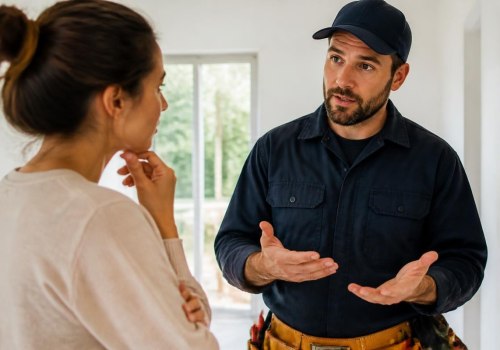
Effective communication between Electrical Wiring Installers and inspectors is crucial for ensuring that inspections proceed smoothly and efficiently. Establishing a good rapport with inspectors can significantly impact the outcome of an inspection, making it essential for installers to prioritize this aspect of their work.Building Relationships with Inspectors
- Be Proactive: Before an inspection, reach out to the inspector to discuss any specific requirements or concerns.
This shows initiative and helps clarify expectations.
- Maintain Professionalism: Always approach inspectors with respect and professionalism. A positive attitude can foster a collaborative environment.
- Ask Questions: If there are uncertainties regarding codes or regulations, don’t hesitate to ask the inspector for clarification. This not only demonstrates your commitment to compliance but also opens lines of communication.
Tips for Effective Communication
- Document Everything: Keep detailed records of all communications with inspectors, including emails and notes from phone calls. This documentation can be invaluable if questions arise later.
- Be Transparent: If issues arise during the installation process, communicate them to the inspector as soon as possible.
Transparency builds trust and can lead to more favorable outcomes.
- Follow Up: After an inspection, follow up with the inspector to thank them for their time and inquire about any feedback. This reinforces your commitment to quality work and helps maintain a positive relationship.
Post-Inspection Follow-Up Procedures
After an inspection, it is crucial for Electrical Wiring Installers to engage in thorough post-inspection procedures. This phase not only addresses any feedback received but also sets the stage for continuous improvement in future projects.Addressing Inspection Feedback
Once the inspection report is received, installers should carefully review the findings.Here are some steps to effectively address the feedback:
- Review the Report: Go through each point raised by the inspector. Understanding the specifics of any deficiencies is essential.
- Prioritize Corrections: Identify which issues are critical and need immediate attention. Focus on safety violations first, as they can pose significant risks.
- Implement Changes: Make necessary adjustments to the wiring or installation practices based on the feedback. This may involve redoing certain sections or enhancing safety measures.
Improving Future Inspections
To ensure smoother inspections in the future, installers should adopt a proactive approach:- Conduct Self-Inspections: Before the official inspection, perform a self-check using a checklist that mirrors common inspection criteria.
This helps catch potential issues early.
- Stay Updated: Regularly review local codes and regulations to ensure compliance. Attend workshops or training sessions to stay informed about best practices in electrical installations.
- Document Changes: Keep detailed records of any modifications made post-inspection. This documentation can be invaluable for future reference and demonstrates a commitment to quality work.
Frequently Asked Questions About Electrical Inspections
When it comes to electrical inspections, many Electrical Wiring Installers have questions regarding the process and requirements. Here are some frequently asked questions that can help clarify common concerns:- What should I expect during an electrical inspection?
During an inspection, the inspector will evaluate the overall safety and compliance of your wiring installation.This includes checking for proper grounding, circuit integrity, and adherence to local codes.
- How can I prepare for an inspection?
To prepare, ensure that all wiring is accessible and that any necessary documentation, such as permits and plans, is readily available. Double-check that all installations meet local code requirements. - What are common issues found during inspections?
Common issues include improper grounding, overloaded circuits, and inadequate wire sizing. Addressing these problems before the inspection can save time and ensure compliance. - How long does an inspection typically take?
The duration of an inspection can vary based on the complexity of the installation but generally lasts between 30 minutes to a few hours. - What happens if my installation fails the inspection?
If your installation fails, the inspector will provide a list of deficiencies that need to be corrected. Once these issues are addressed, you can schedule a re-inspection.
By being well-prepared and informed, installers can ensure a smoother inspection experience and maintain high standards in their work.
Conclusion: Ensuring Success in Electrical Wiring Inspections
In conclusion, the role of an Electrical Wiring Installer extends far beyond the physical installation of wiring systems. Thorough preparation for inspections is crucial to ensure compliance with safety standards and regulations. By adhering to best practices, installers can significantly enhance their chances of passing inspections on the first attempt. Key strategies for successful inspection preparation include:- Understanding Local Codes: Familiarity with local electrical codes and regulations is essential. Installers should stay updated on any changes to ensure their work meets current standards.
- Conducting Pre-Inspection Checks: Before the official inspection, installers should conduct a thorough review of their work.
This includes checking connections, ensuring proper grounding, and verifying that all components are installed correctly.
- Documentation: Keeping detailed records of installations, including diagrams and material lists, can be invaluable during inspections. This documentation serves as proof of compliance and can help clarify any questions that arise.
- Communication with Inspectors: Building a rapport with local inspectors can facilitate smoother inspections. Installers should not hesitate to ask questions or seek clarification on specific requirements.