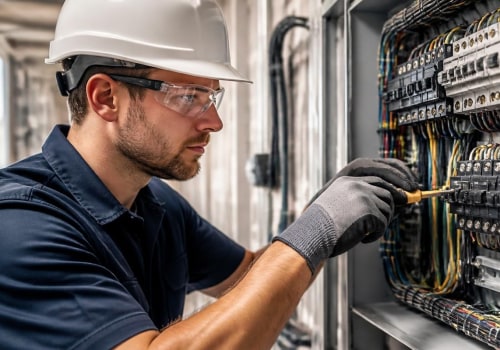
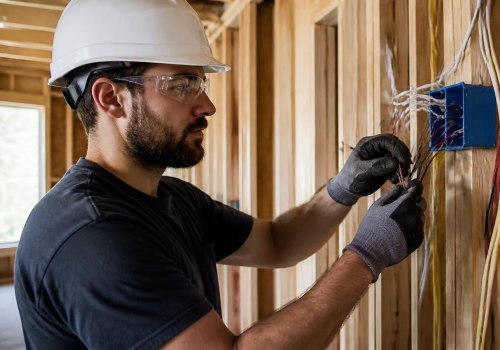
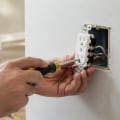
The role of an Electrical Wiring Installer is crucial in ensuring that electrical systems are safely and efficiently set up in residential, commercial, and industrial settings. These skilled professionals are responsible for the installation, maintenance, and repair of electrical wiring systems, which serve as the backbone for powering our homes and businesses. Understanding the various types of wiring they utilize is essential for anyone looking to grasp the complexities of electrical installations. Electrical wiring installers work with a variety of materials and techniques to meet specific needs and safety standards. From copper and aluminum wires to specialized cables designed for high-voltage applications, each type of wiring has its unique properties and applications.
The choice of wiring not only affects the efficiency of electrical systems but also plays a significant role in ensuring compliance with local codes and regulations. As we delve deeper into the different types of wiring commonly used by electrical wiring installers, it becomes clear that their expertise is not just about connecting wires. It involves a comprehensive understanding of electrical theory, safety protocols, and the latest technologies in the field. This foundational knowledge sets the stage for discussing how these professionals select and implement various wiring types to create safe and reliable electrical systems.
Types of Wiring Used by Electrical Wiring Installers
When it comes to electrical installations, understanding the types of wiring used by Electrical Wiring Installers is essential for both safety and functionality. Different types of wiring serve various purposes and are suited for specific applications.Below are some of the most common wiring types:
- Non-Metallic Sheathed Cable (NM) : Often referred to as Romex, this type of wiring is widely used in residential buildings. It consists of two or more insulated conductors and a bare ground wire, all encased in a flexible plastic sheath. NM cable is favored for its ease of installation and cost-effectiveness.
- Metal-Clad Cable (MC) : This type features insulated conductors enclosed in a metal sheath, providing additional protection against physical damage. MC cable is commonly used in commercial settings where durability is crucial.
- Conduit Wiring : Involves running wires through metal or plastic conduits.
This method is often used in industrial environments or outdoor installations where wires need extra protection from environmental factors.
- Armored Cable (AC) : Similar to MC cable, armored cable has a protective metal covering but is typically used in areas where additional mechanical protection is necessary.
- Low-Voltage Wiring : Used for applications such as landscape lighting, security systems, and telecommunications, low-voltage wiring operates at 50 volts or less and requires specific installation techniques.
1.Non-Metallic Sheathed Cable (NM Cable)
Non-Metallic Sheathed Cable, commonly referred to as NM cable, is a widely used type of electrical wiring favored by Electrical Wiring Installers for residential applications. This cable consists of two or more insulated conductors and a bare ground wire, all encased in a flexible plastic sheath.Its design makes it suitable for various indoor wiring projects, including lighting, outlets, and appliances.
Applications of NM Cable
- Residential wiring for new constructions and renovations
- Powering lighting fixtures and ceiling fans
- Connecting outlets in living spaces, kitchens, and bathrooms
- Feeding power to appliances such as refrigerators and dishwashers
Advantages of NM Cable
- Cost-Effective: NM cable is generally less expensive than other types of wiring, making it an economical choice for homeowners and contractors.
- Lightweight and Flexible: The lightweight nature of NM cable allows for easier handling and installation, especially in tight spaces.
- Easy to Install: With its simple design, NM cable can be easily stripped and connected, reducing installation time for Electrical Wiring Installers.
- Versatile: NM cable can be used in various applications, from residential to light commercial settings.
- Safety Features: The non-metallic sheath provides protection against moisture and corrosion, enhancing the safety of electrical installations.
2.Armored Cable (AC)
Armored Cable, commonly referred to as AC, is a type of electrical wiring that provides enhanced protection for electrical conductors. This cable is encased in a flexible metal sheath, which not only safeguards the wires from physical damage but also offers a degree of moisture resistance. Electrical Wiring Installers often prefer armored cable for its durability and reliability in various environments.One of the primary benefits of using armored cable is its ability to withstand harsh conditions.The metal armor protects against impacts, abrasions, and even rodent damage, making it ideal for installations in industrial settings or areas where cables may be exposed to potential hazards. Additionally, the armored design helps prevent electromagnetic interference (EMI), ensuring that the electrical signals remain stable and uninterrupted.When it comes to the installation of armored cable, it is essential for Electrical Wiring Installers to follow specific guidelines to ensure safety and compliance with local codes. The installation process typically involves:
- Planning the Route: Before installation, installers should plan the cable route carefully, considering any obstacles and ensuring that the cable will be adequately supported.
- Cutting and Preparing the Cable: Armored cable must be cut to length using appropriate tools. The ends should be stripped carefully to expose the conductors without damaging them.
- Securing the Cable: Installers should use appropriate clamps or connectors to secure the armored cable at junction boxes and other termination points.
- Grounding: Proper grounding is crucial for safety.
The metal sheath of the armored cable should be connected to the grounding system of the building.
3.Underground Feeder Cable (UF Cable)
Underground Feeder Cable, commonly referred to as UF cable, is a type of electrical wiring specifically designed for underground installations. This cable is particularly advantageous for outdoor applications where moisture and soil exposure are concerns. UF cable is constructed with a durable, moisture-resistant jacket that protects the conductors from environmental elements, making it ideal for direct burial.Applications of UF Cable
- Powering outdoor lighting fixtures
- Supplying electricity to garden sheds and workshops
- Connecting electrical systems in agricultural settings
- Feeding power to fountains and ponds
Its ability to withstand harsh conditions while providing reliable power makes it a staple in many installations.
Installation Tips for UF Cable
- Depth of Burial: When installing UF cable, it should be buried at least 24 inches deep to protect it from physical damage and frost.
- Use of Conduit: While UF cable can be buried directly, using a conduit can provide additional protection against moisture and mechanical damage.
- Avoid Sharp Objects: Ensure that the installation area is free from sharp rocks or debris that could puncture the cable.
- Check Local Codes: Always verify local electrical codes and regulations regarding the installation of UF cable to ensure compliance.
4.Service Entrance Cable (SE Cable)
The Service Entrance Cable, commonly referred to as SE cable, plays a crucial role in the electrical infrastructure of residential and commercial buildings. This type of cable is specifically designed to connect the utility power supply to the main electrical panel of a building, ensuring a safe and efficient flow of electricity.SE cable characteristics
include its robust construction, which typically consists of multiple conductors insulated with durable materials. The most common types of SE cable are:- SEU (Service Entrance Unarmored): This type is suitable for above-ground installations and is often used in residential settings.
- SE (Service Entrance): This version is armored, providing additional protection against physical damage, making it ideal for underground installations.
- Location: SE cables should be installed in areas that are accessible and protected from potential hazards.
- Size: The size of the SE cable must be appropriate for the expected load, following local electrical codes and regulations.
- Connection: Proper connections at both ends are essential to prevent electrical faults. Use appropriate connectors and ensure they are securely fastened.
- Grounding: Ensure that the SE cable is properly grounded to enhance safety and reduce the risk of electrical shock.
Proper use of SE cable not only ensures compliance with safety standards but also contributes to the overall reliability of a building's electrical system.
5.Low-Voltage Wiring
Low-voltage wiring is a crucial aspect of modern electrical installations, particularly for Electrical Wiring Installers who specialize in systems that require less than 50 volts. This type of wiring is commonly used in various applications, including security systems, landscape lighting, and telecommunications.Common Applications of Low-Voltage Wiring
- Security Systems: Low-voltage wiring is essential for alarm systems, surveillance cameras, and access control systems. These installations benefit from reduced power consumption and increased safety.
- Landscape Lighting: Many homeowners opt for low-voltage lighting to enhance their outdoor spaces. This type of lighting not only saves energy but also minimizes the risk of electrical shock.
- Telecommunications: Low-voltage wiring is widely used in data and communication networks, including telephone lines and internet connections, ensuring reliable performance without the hazards associated with higher voltage systems.
Benefits of Low-Voltage Systems
The advantages of low-voltage wiring extend beyond safety and energy efficiency.Here are some key benefits:
- Safety: With lower voltage levels, the risk of electrical shock is significantly reduced, making it safer for both installers and users.
- Energy Efficiency: Low-voltage systems consume less power, leading to lower energy bills and a reduced environmental impact.
- Flexibility: Low-voltage wiring can be easily installed in various locations without the need for extensive modifications to existing structures.
6.Coaxial and Ethernet Cables
In the realm of modern electrical installations, coaxial cables and Ethernet cables play a crucial role in facilitating data transmission. These wiring types are essential for both residential and commercial setups, particularly in networking applications.Coaxial Cables
Coaxial cables, often referred to as coax cables, consist of a central conductor surrounded by an insulating layer, a metallic shield, and an outer insulating layer. This design allows coaxial cables to transmit high-frequency signals with minimal interference.They are commonly used for:
- Television signals: Coaxial cables are widely used to connect televisions to cable services, ensuring high-quality video and audio transmission.
- Internet connections: Many broadband internet services utilize coaxial cables to deliver high-speed internet to homes and businesses.
- Security systems: Coaxial cables are also employed in CCTV systems for transmitting video signals from cameras to monitors or recording devices.
Ethernet Cables
Ethernet cables, on the other hand, are designed specifically for networking purposes. These cables connect devices within a local area network (LAN), allowing for data exchange between computers, routers, and switches. The most common types of Ethernet cables include:- Cat5e: Suitable for speeds up to 1 Gbps, Cat5e cables are often used in home networks.
- Cat6: Offering improved performance with speeds up to 10 Gbps over short distances, Cat6 cables are ideal for more demanding applications.
- Cat6a: This variant supports higher frequencies and longer distances, making it suitable for data centers and enterprise environments.
Understanding these wiring types enables Electrical Wiring Installers to make informed decisions that enhance connectivity and performance in various settings.
Frequently Asked Questions About Electrical Wiring Installers
When it comes to hiring an Electrical Wiring Installer, many homeowners and business owners have questions about the types of wiring commonly used in electrical installations. Understanding these types can help you make informed decisions regarding your electrical needs.What are the most common types of wiring?
- Non-Metallic Sheathed Cable (NM): Often referred to as "Romex," this type of wiring is widely used in residential applications. It consists of two or more insulated conductors and a bare ground wire, all encased in a flexible plastic sheath.
- Metal-Clad Cable (MC): This type features insulated conductors enclosed in a metal sheath, providing extra protection against physical damage. It's commonly used in commercial settings where durability is essential.
- Conduit Wiring: Involves running wires through metal or plastic conduits.
This method is often used in industrial environments or areas exposed to moisture, as it offers superior protection against environmental factors.
- Armored Cable (AC): Similar to MC cable but with a different construction, armored cable has a flexible metal sheath that protects the wires inside. It's often used in locations where additional mechanical protection is necessary.
What should I consider when choosing wiring?
When selecting wiring for your project, consider the following factors:- Location: The environment where the wiring will be installed plays a crucial role. For example, wet locations may require waterproof conduits.
- Load Requirements: Ensure that the wiring can handle the electrical load of your appliances and devices.
- Local Codes: Always check local building codes and regulations, as they may dictate specific wiring types for safety reasons.
Conclusion: Key Takeaways on Wiring Types for Electrical Installers
In summary, understanding the various types of wiring is crucial for any Electrical Wiring Installer aiming to deliver safe and efficient electrical systems. Each type of wiring has its unique applications, advantages, and limitations that can significantly impact the overall performance of electrical installations.- Non-Metallic Sheathed Cable (NM) : This is the most commonly used wiring in residential settings due to its flexibility and ease of installation.
It is ideal for dry locations and provides excellent insulation.
- Metallic Sheathed Cable (BX) : Often used in commercial buildings, BX wiring offers enhanced protection against physical damage. Its metal sheath also provides grounding, making it a reliable choice for various applications.
- Conduit Wiring : This type involves running wires through protective conduits, which can be made of metal or plastic. It is particularly useful in environments where wires are exposed to moisture or physical hazards.
- Low-Voltage Wiring : Used for applications such as landscape lighting and security systems, low-voltage wiring is essential for energy-efficient installations.
By mastering these elements, you can elevate your expertise and provide exceptional service to your clients.