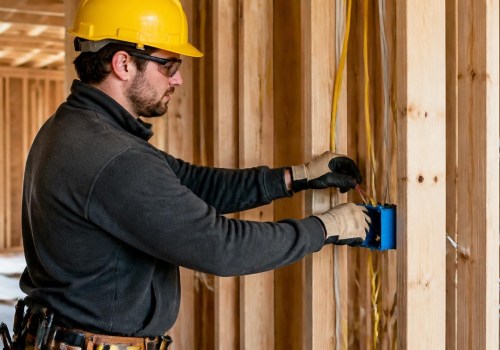
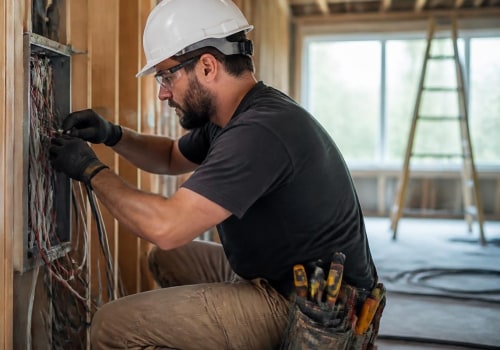
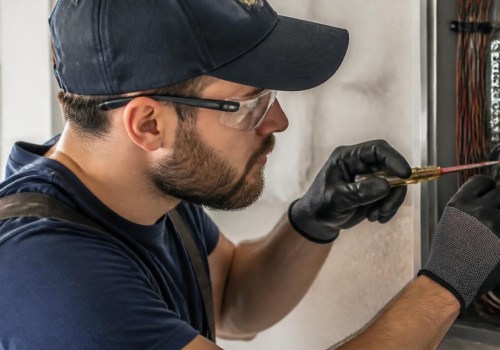
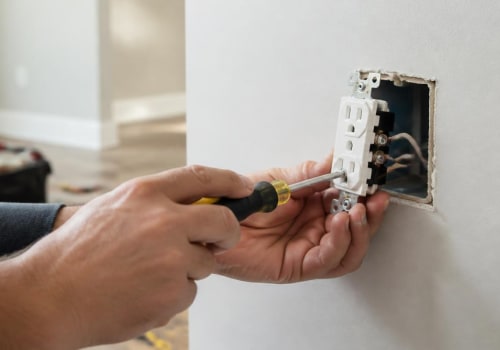
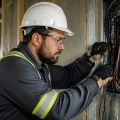
The profession of an Electrical Wiring Installer is crucial in ensuring the safety and functionality of electrical systems in both residential and commercial settings. These skilled professionals are responsible for installing, maintaining, and repairing electrical wiring, which is essential for powering our homes, businesses, and public infrastructure. Their expertise becomes particularly vital during emergency situations when immediate repairs are necessary to prevent hazards such as electrical fires or outages. In the face of emergencies, electrical installers must act swiftly and efficiently. They are trained to diagnose issues quickly, whether it’s a blown fuse, faulty wiring, or a malfunctioning circuit breaker.
Their ability to assess the situation and implement effective solutions not only restores power but also ensures the safety of occupants. This role requires a deep understanding of electrical codes and safety regulations, as well as the ability to work under pressure. Moreover, the importance of electrical repair services cannot be overstated. When an electrical emergency arises, having a qualified installer on hand can make all the difference. They bring not only technical skills but also a commitment to safety and reliability.
By understanding the critical role that Electrical Wiring Installers play in emergency repairs, we can appreciate their contributions to our daily lives and the overall safety of our environments.
Common Emergency Scenarios for Electrical Wiring Installers
Electrical wiring installers often face a variety of emergency scenarios that require immediate attention. Understanding these common situations can help both homeowners and businesses prepare for potential electrical issues.- Power Outages: One of the most frequent emergencies is a sudden power outage. This can be caused by severe weather, equipment failure, or issues with the local power grid. Electrical wiring installers must quickly diagnose whether the problem lies within the home’s wiring or if it’s an external issue.
- Short Circuits: A short circuit occurs when electricity flows along an unintended path, often leading to sparks or even fires.
Installers need to identify the source of the short circuit and replace damaged wiring or components to restore safety.
- Overloaded Circuits: When too many devices draw power from a single circuit, it can lead to overheating and potential fire hazards. Installers must assess the load on circuits and may need to redistribute electrical loads or install additional circuits.
- Flickering Lights: Flickering lights can indicate a loose connection or faulty wiring. This issue requires immediate investigation to prevent further complications, such as electrical fires.
- Tripped Circuit Breakers: Frequent tripping of circuit breakers can signal underlying problems in the electrical system. Installers must evaluate the entire system to determine if there are faulty appliances or wiring issues that need addressing.
Each of these situations demands a swift response to ensure safety and restore functionality.By being aware of these common emergency scenarios, homeowners can better understand when to call an electrical wiring installer, ensuring that their electrical systems remain safe and efficient.
The Emergency Response Process
When an electrical emergency arises, Electrical Wiring Installers follow a systematic approach to ensure safety and efficiency. The emergency response process typically involves several critical steps:- Assessment of the Situation: Upon arrival at the scene, installers first assess the situation to determine the nature and severity of the electrical issue. This includes identifying any hazards, such as exposed wires or smoke, and ensuring that the area is safe for intervention.
- Power Shutdown: If necessary, the installer will shut off the power supply to prevent further risks. This step is crucial in protecting both the installer and any individuals present from electrical shock.
- Diagnosis: After ensuring safety, the installer conducts a thorough diagnosis of the problem.
This may involve using specialized tools to test circuits and identify faults in wiring or equipment.
- Implementation of Repairs: Once the issue is diagnosed, the installer will proceed with repairs. This could involve replacing damaged wiring, fixing connections, or installing new components as needed.
- Testing: After repairs are made, thorough testing is conducted to ensure that everything is functioning correctly and safely. This step is vital to confirm that the emergency has been resolved effectively.
- Documentation: Finally, installers document the incident, detailing what occurred and how it was resolved. This documentation can be useful for future reference and helps maintain a record of service.
Tools and Equipment Used in Emergency Repairs
When it comes to emergency repairs, electrical wiring installers rely on a specific set of tools and equipment designed to ensure both safety and efficiency.Having the right tools at their disposal can make a significant difference in the speed and effectiveness of the repair process.
- Multimeter: This essential tool allows installers to measure voltage, current, and resistance, helping them diagnose electrical issues quickly.
- Insulated Hand Tools: Tools such as pliers, screwdrivers, and wire strippers are often insulated to protect against electrical shock. These are crucial for safely handling live wires during repairs.
- Circuit Tester: A circuit tester helps installers determine whether a circuit is live or not, which is vital for ensuring safety before beginning any repair work.
- Voltage Tester: Similar to a circuit tester, a voltage tester checks for the presence of voltage in wires and outlets, allowing installers to confirm that it is safe to proceed with repairs.
- Wire Connectors: These are used to securely join wires together. In emergencies, having a variety of connectors on hand can expedite the repair process.
- Tape Measure: Accurate measurements are crucial in electrical installations. A tape measure ensures that all components are installed correctly and safely.
- Flashlight or Headlamp: In emergency situations where lighting may be compromised, having a reliable light source is essential for visibility and safety.
They not only facilitate quick repairs but also help prevent accidents that could arise from improper handling of electrical systems. By equipping themselves with the right tools, electrical wiring installers can effectively manage emergency situations while prioritizing safety for themselves and their clients.
Safety Protocols and Best Practices
When it comes to emergency repairs, electrical wiring installers must prioritize safety above all else. Adhering to established safety protocols not only protects the installer but also ensures the safety of clients and property. Here are some essential safety measures and best practices that should be followed:- Assess the Situation: Before beginning any repair work, installers should conduct a thorough assessment of the situation.
This includes identifying potential hazards such as exposed wires, water damage, or unstable structures.
- Use Personal Protective Equipment (PPE): Proper PPE is crucial during emergency repairs. Installers should wear insulated gloves, safety goggles, and hard hats to protect against electrical shocks and falling debris.
- De-energize Circuits: Whenever possible, installers should turn off power to the affected area before starting repairs. This minimizes the risk of electric shock and allows for safer working conditions.
- Follow Lockout/Tagout Procedures: Implementing lockout/tagout procedures ensures that circuits remain de-energized while work is being performed. This practice prevents accidental re-energization and enhances safety.
- Maintain Clear Communication: Effective communication with team members and clients is vital during emergency situations.
Installers should clearly explain the steps being taken and any potential risks involved.
- Document Everything: Keeping detailed records of the emergency repair process, including any hazards encountered and measures taken, can provide valuable insights for future reference and improve overall safety practices.
Frequently Asked Questions About Emergency Electrical Repairs
When it comes to emergency electrical repairs, homeowners often have many questions. Here are some of the most frequently asked questions regarding these urgent situations:- What constitutes an electrical emergency? An electrical emergency typically involves situations that pose immediate danger, such as exposed wires, electrical fires, or power outages affecting critical systems like heating or medical equipment.
- How quickly can an Electrical Wiring Installer respond? Most professional Electrical Wiring Installers aim to respond within a few hours for emergencies. However, response times can vary based on location and the time of day.
- What should I do before the installer arrives? If safe to do so, turn off the power at the circuit breaker to prevent further damage or hazards.
Avoid using any electrical devices until a professional has assessed the situation.
- Are emergency repairs more expensive? Yes, emergency repairs often come with a premium due to the urgency and potential risks involved. It's advisable to discuss pricing upfront with your installer.
- Can I attempt to fix electrical issues myself? While some minor issues may seem manageable, it is highly recommended to contact a qualified Electrical Wiring Installer. Attempting DIY repairs can lead to serious safety hazards.
Conclusion: The Importance of Professional Electrical Wiring Installers in Emergencies
In conclusion, the role of professional electrical wiring installers in emergency situations cannot be overstated.Their expertise not only ensures the safety of individuals but also protects property from potential damage caused by electrical failures.When emergencies arise, such as power outages, electrical fires, or faulty wiring, having a qualified electrical wiring installer on hand can make all the difference. These professionals are trained to quickly assess the situation, identify hazards, and implement effective solutions to restore safety and functionality.
- Rapid Response: Emergency situations require immediate action. Professional installers are equipped to respond swiftly, minimizing downtime and preventing further complications.
- Safety Protocols: They adhere to strict safety standards and protocols, ensuring that all repairs are conducted without risking the safety of occupants or property.
- Comprehensive Knowledge: Their extensive training allows them to diagnose complex issues that may not be apparent to untrained individuals, ensuring that all underlying problems are addressed.
Their skills not only provide peace of mind during emergencies but also contribute to the overall safety and efficiency of electrical systems in homes and businesses alike.