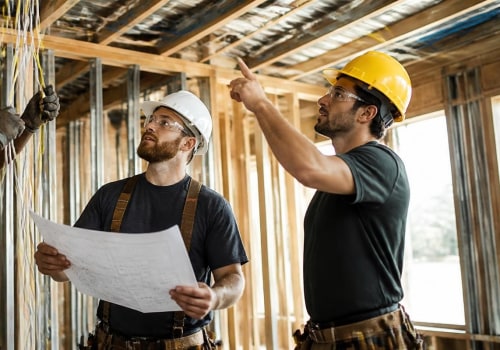
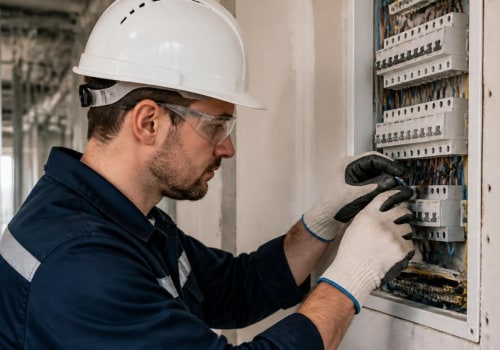
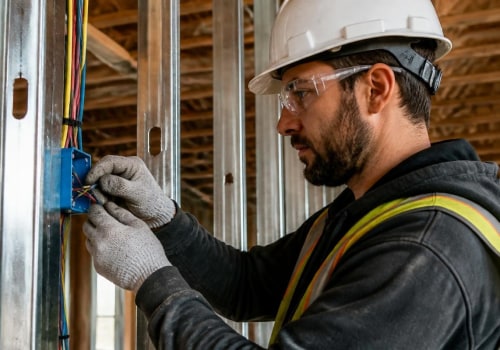
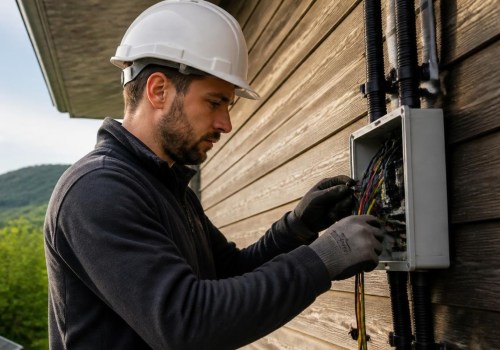
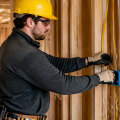
Electrical wiring installation is a critical aspect of modern construction and renovation projects, ensuring that buildings are equipped with safe and efficient electrical systems. For an Electrical Wiring Installer, having the right tools is not just a matter of convenience; it is essential for achieving high-quality results while maintaining safety standards. The tools used in electrical installation can significantly impact the efficiency of the work process, making it imperative for installers to be well-equipped. From basic hand tools to specialized equipment, each tool serves a unique purpose in the installation process. For instance, wire strippers and crimpers are vital for preparing wires for connections, while multimeters are indispensable for testing electrical circuits.
Understanding the importance of these tools can help aspiring Electrical Wiring Installers appreciate their role in ensuring that installations are performed correctly and safely. Moreover, the right tools not only enhance productivity but also minimize the risk of accidents and electrical failures. In an industry where precision is paramount, investing in quality tools can lead to long-term benefits, including reduced rework and increased client satisfaction. As we delve deeper into the essential tools for electrical installation, it becomes clear that equipping oneself with the right instruments is foundational to success in this field.
Basic Hand Tools for Electrical Wiring Installers
For any Electrical Wiring Installer, having the right hand tools is crucial for ensuring safety, efficiency, and quality in electrical installations. Below are some of the essential hand tools that every installer should have in their toolkit:- Wire Strippers: These are indispensable for removing insulation from electrical wires without damaging the conductor.
A good pair of wire strippers will allow for precise stripping, which is vital for making secure connections.
- Cable Cutters: Designed specifically for cutting through thick cables, cable cutters provide the leverage needed to make clean cuts without fraying the wire ends. This tool is essential for preparing wires for installation.
- Screwdrivers: A set of insulated screwdrivers is necessary for safely tightening or loosening screws on electrical devices and junction boxes. Insulated handles protect against electric shock, making them a must-have for any electrical installation hand tools kit.
- Pliers: Needle-nose pliers and lineman's pliers are vital for gripping, twisting, and bending wires. They help in manipulating wires into place and making tight connections.
- Tape Measure: Accurate measurements are critical in electrical work.
A sturdy tape measure ensures that installations are done to specification, preventing costly mistakes.
- Voltage Tester: Safety is paramount in electrical work. A voltage tester allows installers to check if a circuit is live before beginning work, reducing the risk of electric shock.
Power Tools Essential for Electrical Wiring
When it comes to being an Electrical Wiring Installer, having the right power tools is crucial for ensuring efficiency and precision in every project. Below are some of the essential power tools that every installer should consider:- Cordless Drill/Driver: This versatile tool is indispensable for drilling holes and driving screws.
A cordless model offers mobility and ease of use, allowing installers to work in tight spaces without being tethered to an outlet.
- Reciprocating Saw: Ideal for cutting through various materials, a reciprocating saw can quickly tackle tasks such as removing old wiring or cutting conduit. Its ability to use different blades makes it adaptable for various applications.
- Angle Grinder: This tool is essential for cutting and grinding metal components, such as conduit and junction boxes. An angle grinder can also be used for polishing and finishing tasks, making it a multi-functional addition to any installer’s toolkit.
- Impact Driver: For driving long screws and bolts into tough materials, an impact driver provides the necessary torque without stripping the screw heads. This tool is particularly useful when working with heavy-duty electrical installations.
- Wire Stripper/Cutter: While not always classified as a power tool, a high-quality wire stripper/cutter is essential for preparing wires for connections.
Some models even come with built-in crimping capabilities, enhancing their functionality.
Testing and Measurement Tools for Electrical Wiring
For an Electrical Wiring Installer, having the right testing and measurement tools is crucial for ensuring that electrical systems are installed correctly and function safely. These tools not only help in verifying the integrity of the wiring but also assist in troubleshooting any issues that may arise.- Multimeter: A versatile tool that measures voltage, current, and resistance. It is essential for diagnosing electrical problems and ensuring that circuits are functioning as intended.
- Voltage Tester: This tool allows electricians to quickly check for the presence of voltage in a circuit.
It is a must-have for ensuring safety before starting any work on electrical systems.
- Clamp Meter: Ideal for measuring current without needing to disconnect wires. This tool is particularly useful for troubleshooting and monitoring electrical loads.
- Insulation Resistance Tester: Used to measure the insulation resistance of wiring, this tool helps identify potential faults that could lead to short circuits or electrical fires.
- Circuit Analyzer: This advanced tool provides detailed information about circuit performance, including voltage drop and load analysis, which is vital for optimizing electrical installations.
- Continuity Tester: To ensure that electrical connections are complete and functioning properly.
- Phase Rotation Meter: Essential for three-phase systems, this tool checks the phase sequence to prevent equipment damage.
- Thermal Imaging Camera: Useful for identifying overheating components in electrical systems, which can indicate potential failures.
Specialized Tools for Advanced Electrical Installations
For an Electrical Wiring Installer tackling complex installations, having the right specialized tools is crucial. These tools not only enhance efficiency but also ensure safety and precision in electrical work.Below are some essential specialized tools that every advanced installer should consider:
- Wire Pulling Tools: These include fish tapes and wire pullers, which are designed to help installers navigate wires through walls, conduits, and tight spaces. A good quality fish tape can save significant time and effort during installations.
- Multimeters: While basic multimeters are common, advanced models offer features like data logging and Bluetooth connectivity. These tools allow electricians to measure voltage, current, and resistance accurately, making troubleshooting much easier.
- Cable Strippers: Specialized cable strippers can handle various wire sizes and types, ensuring clean cuts without damaging the conductors. Some models even come with adjustable settings for different insulation types.
- Crimping Tools: For installations that require connectors, a high-quality crimping tool is essential.
These tools ensure a secure connection between wires and terminals, which is vital for maintaining electrical integrity.
- Insulation Resistance Testers: These testers are crucial for ensuring that electrical systems are safe and compliant with regulations. They measure the insulation resistance of cables and help identify potential faults before they become serious issues.
Maintaining Your Tools: Best Practices
Maintaining your tools is crucial for any Electrical Wiring Installer aiming to achieve optimal performance and longevity.Proper care not only enhances the efficiency of your tools but also ensures safety during electrical installations. Here are some best practices for tool maintenance:
- Regular Cleaning: After each job, take the time to clean your tools. Remove dust, dirt, and debris that can accumulate during use. For hand tools, a simple wipe with a damp cloth can suffice, while power tools may require more thorough cleaning.
- Inspection: Regularly inspect your tools for any signs of wear or damage.
Look for frayed cords, rusted parts, or loose screws. Addressing these issues promptly can prevent accidents and prolong the life of your equipment.
- Lubrication: Many tools benefit from regular lubrication. Use appropriate lubricants on moving parts to reduce friction and wear. This is especially important for power tools that have motors and gears.
- Storage: Store your tools in a dry, organized space to prevent damage from moisture or accidental drops.
Consider using toolboxes or pegboards to keep everything in its place and easily accessible.
- Calibration: For precision tools like multimeters and circuit testers, regular calibration is essential. Ensure that these tools are functioning accurately to avoid errors during installations.
Frequently Asked Questions about Electrical Wiring Tools
When it comes to being an Electrical Wiring Installer, having the right tools is crucial for efficiency and safety. Here are some frequently asked questions regarding the essential tools used in this profession:- What are the most essential tools for an electrical wiring installer?
The basic toolkit for an Electrical Wiring Installer typically includes wire strippers, pliers, screwdrivers, a voltage tester, and a multimeter.These tools help in cutting, stripping, and connecting wires safely and effectively.
- Do I need specialized tools for different types of wiring?
Yes, different types of wiring may require specific tools. For instance, installing low-voltage systems might necessitate additional tools like crimpers or specialized connectors. - How often should I replace my electrical tools?
Regular maintenance is key. Inspect your tools frequently for wear and tear. Replace any damaged or worn-out tools immediately to ensure safety and efficiency. - Are there any safety tools that I should consider?
Absolutely! Safety gear such as insulated gloves, safety glasses, and hard hats are essential for protecting yourself while working with electrical systems. - Can I use household tools for electrical work?
While some household tools may be suitable, it’s best to use tools specifically designed for electrical work to ensure safety and compliance with regulations.
Investing in quality tools not only enhances performance but also ensures safety on the job site.
Conclusion: The Importance of Having the Right Tools as an Electrical Wiring Installer
In conclusion, the role of an Electrical Wiring Installer is critical in ensuring the safety and functionality of electrical systems. Throughout this article, we have explored various tools that are essential for performing electrical installations effectively and efficiently. Having the right tools not only enhances productivity but also minimizes the risk of accidents and errors.Investing in high-quality tools such as wire strippers, multimeters, and circuit testers is paramount for any Electrical Wiring Installer. These tools enable professionals to carry out their tasks with precision, ensuring that installations meet safety standards and regulations.Furthermore, using specialized tools like fish tapes and conduit benders can significantly ease the process of running wires through walls and bending conduits, respectively.Moreover, maintaining these tools is equally important. Regular maintenance ensures longevity and reliability, which are crucial for any installer who relies on their equipment daily. A well-maintained toolset not only improves efficiency but also reflects professionalism in the field.Ultimately, the success of an Electrical Wiring Installer hinges on their ability to choose and utilize the right tools for each job. By prioritizing quality and functionality in their toolkit, installers can enhance their performance, ensure safety, and deliver exceptional results to their clients.