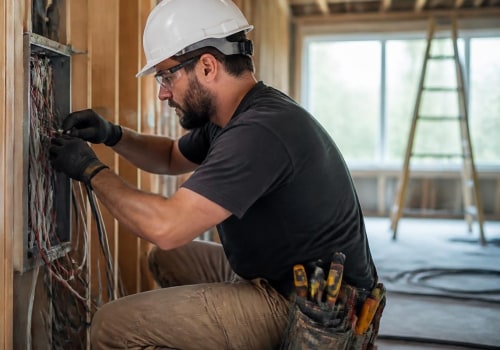
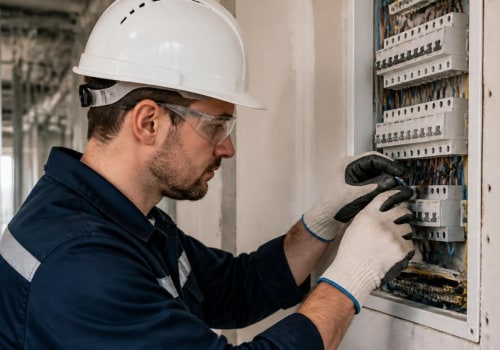
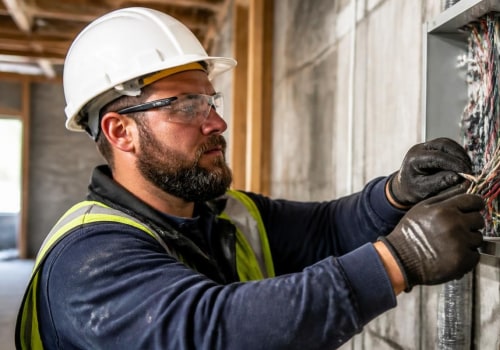
The profession of Electrical Wiring Installers is crucial in ensuring that our homes, businesses, and public spaces are powered safely and efficiently. These skilled professionals are responsible for the installation, maintenance, and repair of electrical systems, which include wiring, circuit breakers, and lighting fixtures. Their expertise not only guarantees that electrical systems function correctly but also plays a vital role in troubleshooting electrical issues that may arise over time. Understanding the role of electrical installers goes beyond mere installation; it encompasses a deep knowledge of electrical codes, safety regulations, and the latest technologies in the field. When electrical problems occur—be it flickering lights, tripped breakers, or complete power outages—these installers are often the first line of defense.
They utilize their training and experience to diagnose issues accurately and implement effective solutions. In this article, we will delve into the various techniques employed by Electrical Wiring Installers to troubleshoot electrical issues. From systematic testing methods to the use of advanced diagnostic tools, their approach is both methodical and thorough. By understanding their role and the intricacies involved in troubleshooting, readers will gain valuable insights into how these professionals maintain the safety and functionality of our electrical systems.
Common Electrical Issues Faced by Installers
Electrical wiring installers frequently encounter a variety of common electrical issues that can complicate their work and affect the safety and efficiency of electrical systems. Understanding these problems is essential for effective troubleshooting.- Faulty Wiring: One of the most prevalent issues is faulty wiring, which can arise from poor installation practices, aging materials, or environmental factors.
Installers must be vigilant in checking for signs of wear, such as frayed insulation or loose connections.
- Circuit Overloads: Circuit overloads occur when too many devices draw power from a single circuit, leading to tripped breakers or blown fuses. Installers need to assess the load capacity of circuits and distribute electrical loads appropriately to prevent these issues.
- Short Circuits: A short circuit happens when a live wire touches a neutral wire or ground, creating a low-resistance path that can cause overheating and fires. Identifying the source of a short circuit is crucial, often requiring thorough inspection of wiring and connections.
- Grounding Issues: Proper grounding is vital for safety. Installers must ensure that all electrical systems are correctly grounded to prevent electrical shocks and equipment damage.
- Tripped Breakers: Frequent tripping of circuit breakers can indicate underlying problems such as overloaded circuits or faulty appliances.
Installers should investigate the cause and recommend solutions to prevent recurrence.
Step-by-Step Troubleshooting Process
Troubleshooting electrical issues requires a systematic approach to ensure safety and effectiveness. Here’s a step-by-step process that Electrical Wiring Installers can follow:- Identify the Symptoms: Begin by observing the problem. Is there a flickering light, a tripped breaker, or an outlet that isn’t working? Document these symptoms as they will guide your troubleshooting efforts.
- Gather Tools and Safety Gear: Before diving into the troubleshooting process, ensure you have the necessary tools such as a multimeter, wire strippers, and screwdrivers.
Don’t forget to wear appropriate safety gear, including gloves and goggles.
- Check the Power Source: Verify that power is reaching the affected area. Use a multimeter to test outlets and switches. If there’s no power, check the circuit breaker panel for tripped breakers or blown fuses.
- Inspect Wiring Connections: Loose or corroded connections can lead to electrical issues. Carefully inspect all wiring connections in outlets, switches, and junction boxes.
Tighten any loose connections and replace corroded wires as necessary.
- Test Components: If the issue persists, test individual components such as switches, outlets, and fixtures. Use your multimeter to check for continuity and voltage levels. This will help isolate faulty components.
- Implement Solutions: Once you’ve identified the problem, implement the appropriate solution. This may involve replacing faulty components, tightening connections, or even rewiring sections of the circuit.
- Verify Repairs: After making repairs, it’s crucial to verify that everything is functioning correctly.
Turn on the power and test the affected areas to ensure that the issue has been resolved.
Tools and Equipment Used by Electrical Wiring Installers
Electrical wiring installers rely on a variety of tools and equipment to effectively troubleshoot electrical issues. Each tool serves a specific purpose, enabling installers to diagnose problems accurately and efficiently.Essential Tools for Electrical Troubleshooting
- Multimeter: This versatile device measures voltage, current, and resistance. It is essential for diagnosing electrical faults and ensuring circuits are functioning correctly.
- Wire Strippers: Used to remove insulation from wires without damaging the conductor, wire strippers are crucial for making secure connections.
- Screwdrivers: A set of insulated screwdrivers is vital for safely tightening or loosening screws in electrical panels and outlets.
- Pliers: Needle-nose pliers and lineman's pliers are commonly used for gripping, twisting, and cutting wires.
- Circuit Tester: This tool helps installers check if a circuit is live or if there are any breaks in the wiring.
Specialized Equipment for Wiring Installers
- Voltage Tester: A non-contact voltage tester allows installers to quickly check for the presence of voltage without direct contact with wires.
- Fish Tape: Used to route new wiring through walls, ceilings, and conduits, fish tape simplifies the installation process.
- Drill: A power drill is essential for creating holes in walls or ceilings to install electrical boxes or run conduit.
Safety Precautions During Troubleshooting
When it comes to troubleshooting electrical issues, safety precautions are paramount.Electrical work can be hazardous, and even experienced Electrical Wiring Installers must adhere to strict safety protocols to prevent accidents and injuries.
1.Personal Protective Equipment (PPE)
- Wear appropriate PPE: Always use insulated gloves, safety goggles, and non-conductive footwear when working with electrical systems.
- Use hearing protection: If working in noisy environments, protect your hearing with earplugs or earmuffs.
2.Tools and Equipment Safety
- Inspect tools: Before starting any troubleshooting, check all tools for damage or wear. Using faulty tools can lead to serious accidents.
- Use insulated tools: Opt for tools that are specifically designed for electrical work to minimize the risk of shock.
3.Work Environment
- Clear the area: Ensure that the workspace is free from clutter and hazards that could cause trips or falls.
- Ensure proper lighting: A well-lit area helps in identifying potential hazards and ensures accurate troubleshooting.
4.Power Management
- Turn off power: Always switch off the power supply at the circuit breaker before beginning any troubleshooting work.
- Use a voltage tester: Confirm that the circuit is de-energized by using a reliable voltage tester before touching any wires.
5.Emergency Preparedness
- Have a first aid kit: Keep a well-stocked first aid kit nearby in case of minor injuries.
- Know emergency procedures: Familiarize yourself with emergency protocols, including how to shut off power quickly and how to contact emergency services if needed.
Frequently Asked Questions About Electrical Troubleshooting
When it comes to electrical troubleshooting, many homeowners and business owners have questions about the process and what to expect from an Electrical Wiring Installer. Below are some frequently asked questions that can help clarify common concerns.- What are the most common electrical issues?
Some of the most frequent problems include tripped circuit breakers, flickering lights, and outlets that do not work.These issues can often be traced back to overloaded circuits, faulty wiring, or defective appliances.
- How do I know if I need an Electrical Wiring Installer?
If you experience persistent electrical problems, such as frequent outages or unusual smells from outlets, it’s advisable to consult a professional. An Electrical Wiring Installer can diagnose and resolve issues safely. - What tools do Electrical Wiring Installers use for troubleshooting?
Professionals typically use a variety of tools including multimeters, circuit testers, and wire strippers. These tools help them identify voltage levels, continuity, and other critical factors in the wiring system. - Can I troubleshoot electrical issues myself?
While some minor issues can be addressed by homeowners, such as resetting a tripped breaker, it’s important to recognize when to call in an expert. Safety should always be the priority when dealing with electricity. - How long does troubleshooting take?
The duration of troubleshooting can vary based on the complexity of the issue.Simple problems may be resolved within an hour, while more complicated wiring issues could take several hours or even days to fix.
Conclusion: Key Takeaways on Electrical Troubleshooting
In conclusion, effective troubleshooting is a critical skill for any Electrical Wiring Installer. The ability to accurately diagnose and resolve electrical issues not only ensures the safety and functionality of electrical systems but also enhances the overall efficiency of installations.Here are some key takeaways regarding the troubleshooting process:- Systematic Approach: A methodical approach to troubleshooting helps in identifying problems quickly. This includes understanding the electrical system layout and using appropriate diagnostic tools.
- Safety First: Always prioritize safety by following established protocols.
This includes wearing protective gear and ensuring that power is turned off before beginning any work.
- Knowledge of Common Issues: Familiarity with common electrical problems, such as circuit overloads, faulty wiring, and malfunctioning devices, allows installers to troubleshoot effectively.
- Use of Technology: Leveraging modern technology, such as multimeters and circuit testers, can significantly enhance the troubleshooting process, providing accurate readings and insights.
- Continuous Learning: The field of electrical installation is constantly evolving. Staying updated with the latest techniques and technologies is essential for effective troubleshooting.