The profession of an Electrical Wiring Installer is crucial in ensuring that electrical systems are safely and efficiently installed in residential, commercial, and industrial settings. These skilled professionals are responsible for laying out, installing, and maintaining electrical wiring systems that power our homes and businesses. Their role encompasses a variety of tasks, including interpreting blueprints, adhering to safety codes, and troubleshooting electrical issues. As technology evolves, the demand for qualified electrical wiring installers continues to grow, making their expertise invaluable in today’s increasingly electrified world. Beyond technical skills, the job description of an Electrical Wiring Installer requires a strong foundation in communication.
Installers often work as part of a team or collaborate with other tradespeople, such as plumbers and HVAC technicians. Effective communication is essential for coordinating tasks, ensuring safety protocols are followed, and addressing any concerns that may arise during installation. Furthermore, installers frequently interact with clients to explain project details, timelines, and costs. This interaction not only builds trust but also enhances customer satisfaction. In summary, while technical proficiency is vital for an Electrical Wiring Installer, the ability to communicate effectively cannot be overlooked.
As we delve deeper into the importance of communication skills in this profession, it becomes clear that these skills are not just supplementary; they are integral to the success and safety of electrical installations.
Why Communication Skills Matter in Electrical Wiring Installation
Effective communication skills are crucial for Electrical Wiring Installers, as they directly influence the quality of work, safety standards, and overall client satisfaction. In an industry where precision and adherence to safety protocols are paramount, the ability to convey information clearly can make a significant difference.Safety
is one of the primary reasons why communication matters in electrical wiring installation. Installers must communicate effectively with team members to ensure that everyone understands the tasks at hand and the associated risks. For instance, discussing safety measures before starting a project can prevent accidents and injuries.When installers articulate their needs and concerns, it fosters a safer working environment.Moreover, efficiency in electrical wiring projects is heavily reliant on clear communication. When installers can share updates, ask questions, and provide feedback seamlessly, it minimizes misunderstandings that could lead to costly delays. For example, if an installer encounters an issue with wiring placement, promptly communicating this to the team can lead to quick resolutions and keep the project on track.Client satisfaction is another critical aspect influenced by communication skills. An Electrical Wiring Installer who can explain technical details in layman's terms helps clients understand the work being done.
This transparency builds trust and ensures that clients feel informed throughout the process. Additionally, being responsive to client inquiries demonstrates professionalism and commitment to quality service.In summary, strong communication skills are essential for Electrical Wiring Installers. They enhance safety, improve efficiency, and elevate client satisfaction. By prioritizing effective communication, installers not only contribute to successful project outcomes but also foster long-term relationships with clients and colleagues alike.
Key Communication Skills for Electrical Wiring Installers
Effective communication is a cornerstone of success for Electrical Wiring Installers.The ability to convey information clearly and efficiently can significantly impact the quality of work and safety on the job site. Here are some key communication skills that every electrical wiring installer should develop:
- Active Listening: This skill involves fully concentrating, understanding, and responding to what others are saying. For electrical wiring installers, active listening is crucial when receiving instructions from supervisors or discussing project details with clients. It ensures that all parties are on the same page, reducing the risk of errors.
- Clear Verbal Communication: Being able to articulate thoughts and instructions clearly is essential.
Electrical wiring installers often need to explain complex concepts to clients or team members who may not have a technical background. Using simple language and avoiding jargon can help bridge this gap.
- Written Documentation: Accurate documentation is vital in the electrical field. Installers must be able to write clear reports, maintain logs of work performed, and document any changes made during installations. Good writing skills ensure that all information is recorded accurately for future reference.
- Non-Verbal Communication: Body language, eye contact, and gestures play a significant role in communication.
Electrical wiring installers should be aware of their non-verbal cues as they can convey confidence and professionalism, which helps in building trust with clients and colleagues.
- Team Collaboration: Working effectively with others is essential in this field. Electrical wiring installers often collaborate with other tradespeople, so being able to communicate openly and respectfully fosters a positive working environment and enhances project efficiency.
The Impact of Poor Communication on Electrical Projects
Effective communication is crucial in the field of electrical wiring installation. When communication falters, the repercussions can be severe, leading to a cascade of issues that affect not only the project timeline but also safety and overall quality.Effects of Poor Communication
- Increased Safety Hazards: Miscommunication among team members can lead to dangerous situations.
For instance, if an electrical wiring installer misunderstands the specifications for a project, they may inadvertently create unsafe conditions that could result in electrical fires or electrocution.
- Project Delays: When instructions are unclear or misunderstood, it often leads to rework. This not only extends the timeline but can also inflate costs, as additional resources may be required to correct mistakes.
- Quality Compromise: Poor communication can result in subpar workmanship. If installers are not on the same page regarding project standards or expectations, the final output may not meet industry regulations or client satisfaction.
Consequences of Miscommunication
- Client Dissatisfaction: Clients expect clear updates and transparency throughout the installation process. Miscommunication can lead to unmet expectations, resulting in dissatisfaction and potential loss of future business.
- Legal Issues: In severe cases, miscommunication can lead to legal ramifications if safety standards are not adhered to.
This could involve fines or lawsuits that stem from accidents caused by poor installation practices.
Project Failures Due to Communication Issues
Ultimately, the success of any electrical project hinges on effective communication. Projects that suffer from communication breakdowns often face significant challenges that can derail progress and lead to failure. By prioritizing clear and consistent communication among all stakeholders—clients, contractors, and team members—electrical wiring installers can mitigate risks and enhance project outcomes.
Enhancing Communication Skills: Tips for Electrical Wiring Installers
Effective communication is crucial for Electrical Wiring Installers, as it not only enhances teamwork but also ensures safety and efficiency on the job. Here are some practical tips to improve communication skills:- Active Listening: Pay close attention to what clients, colleagues, and supervisors are saying.
This helps in understanding their needs and expectations clearly.
- Ask Questions: Don’t hesitate to ask clarifying questions if something is unclear. This shows your commitment to getting the job done right and prevents misunderstandings.
- Use Clear Language: Avoid jargon when speaking with clients who may not be familiar with technical terms. Instead, use simple language to explain complex concepts.
- Practice Non-Verbal Communication: Body language, eye contact, and facial expressions can convey confidence and openness. Be mindful of these cues during interactions.
- Engage in Training Programs: Consider enrolling in workshops or courses focused on communication skills tailored for electricians.
These programs often provide valuable insights and practical exercises.
- Role-Playing Scenarios: Practice common workplace scenarios with peers to enhance your ability to communicate effectively under pressure.
Real-Life Examples: Successful Communication in Electrical Wiring Projects
Effective communication is crucial in the field of electrical wiring installation, as demonstrated by various real-life case studies. These examples highlight how clear dialogue and collaboration can lead to successful project outcomes.Case Study 1: Residential Wiring Project
In a recent residential wiring project, an Electrical Wiring Installer was tasked with upgrading the electrical system in an older home. The installer held a preliminary meeting with the homeowners to discuss their needs and expectations. By actively listening to their concerns about safety and energy efficiency, the installer was able to tailor the project accordingly.- The installer provided detailed explanations of the proposed upgrades.
- Regular updates were communicated throughout the installation process.
- Feedback from the homeowners was encouraged, ensuring their satisfaction.
Success Story: Commercial Electrical Installation
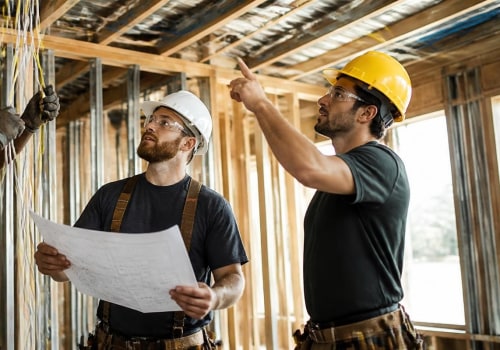
Another compelling example comes from a commercial electrical installation for a new office building.The project involved multiple stakeholders, including architects, contractors, and the electrical team. The Electrical Wiring Installer organized weekly coordination meetings to ensure everyone was on the same page.
- During these meetings, potential issues were identified early, allowing for timely solutions.
- The installer utilized visual aids and diagrams to clarify complex wiring layouts.
- By fostering an environment where questions were welcomed, misunderstandings were minimized.
Frequently Asked Questions about Communication Skills for Electrical Wiring Installers
Effective communication skills are essential for Electrical Wiring Installers, as they play a crucial role in various aspects of the job. Here are some frequently asked questions that highlight the importance of these skills:- Why are communication skills important for Electrical Wiring Installers?
Communication skills enable installers to clearly convey technical information to clients, colleagues, and supervisors.This clarity helps prevent misunderstandings that could lead to costly mistakes or safety hazards.
- How do Electrical Wiring Installers use communication skills on the job?
Installers often need to explain complex electrical systems to clients who may not have a technical background. They must also collaborate with other tradespeople, ensuring everyone is on the same page regarding project specifications and timelines. - What are some common communication challenges faced by Electrical Wiring Installers?
Common challenges include language barriers, differing levels of technical knowledge among team members, and the need to communicate under pressure. Overcoming these challenges requires patience and adaptability. - How can Electrical Wiring Installers improve their communication skills?
Continuous learning through workshops, training sessions, and real-world practice can enhance communication abilities. Additionally, seeking feedback from peers can provide valuable insights into areas for improvement.
These skills facilitate better teamwork, enhance customer satisfaction, and ultimately contribute to safer and more efficient work environments.
Conclusion: The Indispensable Nature of Communication Skills in Electrical Wiring Installation
In conclusion, the role of communication skills in the field of electrical wiring installation cannot be overstated. Throughout this article, we have explored how effective communication is essential for ensuring safety, enhancing teamwork, and improving customer satisfaction. Firstly, clear communication is vital for maintaining safety standards. Electrical wiring installers must convey complex information regarding safety protocols and potential hazards to their team members and clients. Miscommunication can lead to dangerous situations, making it imperative that installers articulate their thoughts clearly and listen actively to others. Secondly, teamwork is a cornerstone of successful electrical projects.Installers often work alongside other tradespeople, engineers, and project managers. Strong communication skills foster collaboration and ensure that everyone is on the same page regarding project timelines, specifications, and responsibilities. This synergy not only enhances productivity but also minimizes errors that could arise from misunderstandings. Moreover, effective communication with clients is crucial for building trust and ensuring satisfaction. An electrical wiring installer who can explain technical details in layman's terms helps clients feel informed and confident in the services provided.
This transparency can lead to repeat business and referrals, which are invaluable in a competitive market. In summary, the importance of communication skills for electrical wiring installers extends beyond mere conversation; it encompasses safety, teamwork, and client relations. As the industry continues to evolve with new technologies and practices, honing these skills will remain a key factor in achieving success and fostering a positive work environment.