The role of an Electrical Wiring Installer is crucial in ensuring that electrical systems are safely and efficiently set up in residential, commercial, and industrial settings. These skilled professionals are responsible for the installation, maintenance, and repair of electrical wiring systems, which serve as the backbone for powering our homes and businesses. Understanding the responsibilities of an Electrical Wiring Installer not only highlights their importance in the electrical industry but also sheds light on the technical expertise required to perform these tasks effectively. An Electrical Wiring Installer typically begins their work by interpreting blueprints and technical diagrams to determine the layout of electrical systems. This involves assessing the specific needs of a project, selecting appropriate materials, and ensuring compliance with local building codes and safety regulations.
Their expertise allows them to install wiring systems that are not only functional but also safe, minimizing the risk of electrical hazards. Moreover, Electrical Wiring Installers play a vital role in troubleshooting and resolving issues that may arise within existing electrical systems. This aspect of their job requires a keen eye for detail and problem-solving skills, as they must identify faults and implement effective solutions. As technology continues to evolve, these professionals must stay updated on new techniques and advancements in electrical installation practices, further emphasizing their importance in a rapidly changing industry.
Overview of Electrical Wiring Installation
Electrical wiring installation is a critical aspect of modern construction and renovation projects. It involves the systematic process of installing electrical systems that power homes, businesses, and various infrastructures.Understanding the electrical wiring installation process is essential for ensuring safety, efficiency, and compliance with local codes.The primary responsibilities of an Electrical Wiring Installer include:
- Planning and Design: Before installation begins, electricians assess the project requirements. This includes understanding the electrical load needs, determining the layout of wiring, and selecting appropriate materials.
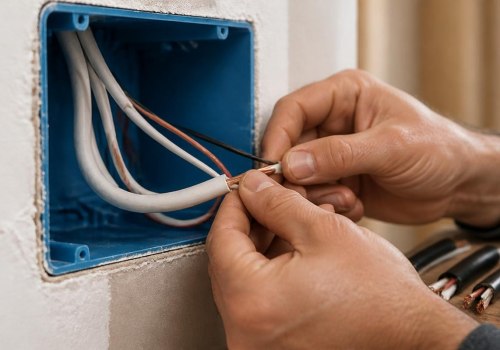
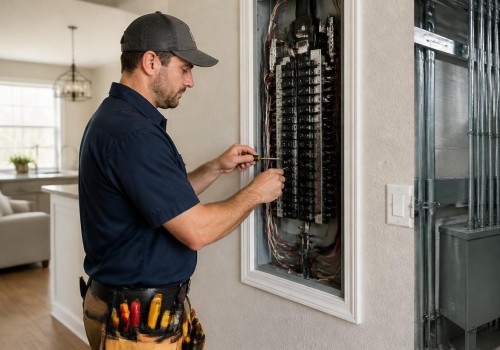
- Installation: The installer is responsible for running wires through walls, ceilings, and floors. This involves securing cables, connecting outlets, switches, and circuit breakers, and ensuring that all components are properly installed according to specifications.
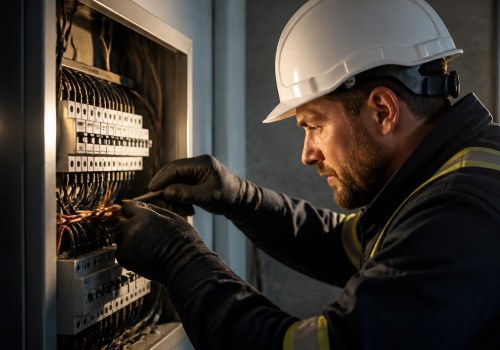
- Testing and Troubleshooting: After installation, electricians conduct tests to ensure that the wiring functions correctly. They check for continuity, grounding issues, and any potential hazards.
Troubleshooting is crucial for identifying and resolving problems that may arise during or after installation.
- Compliance with Codes: Electrical wiring must adhere to local building codes and safety regulations. Installers must stay updated on these codes to ensure that their work meets legal standards.
- Maintenance: In addition to installation, electricians may also be involved in maintaining existing electrical systems. This includes inspecting wiring for wear and tear and making necessary repairs or upgrades.
- Assessment: Evaluating the site to determine electrical needs.
- Design: Creating a detailed plan for the wiring layout.
- Installation: Executing the plan by installing wires and components.
- Testing: Ensuring everything works correctly and safely.
- Final Inspection: Conducting a thorough review to confirm compliance with regulations.
Key Responsibilities of an Electrical Wiring Installer
An Electrical Wiring Installer plays a crucial role in the construction and maintenance of electrical systems.Their primary responsibilities encompass a variety of tasks that ensure safe and efficient electrical installations.
- Reading and Interpreting Blueprints: One of the first duties of an Electrical Wiring Installer is to read and interpret blueprints and technical diagrams. This skill is essential for understanding the layout of electrical systems and determining the appropriate materials and methods needed for installation.
- Installing Wiring Systems: The core responsibility involves installing wiring systems in residential, commercial, and industrial buildings. This includes running wires through walls, ceilings, and floors, as well as connecting them to various electrical components such as outlets, switches, and circuit breakers.
- Ensuring Safety Compliance: Safety is paramount in electrical work. Installers must adhere to local building codes and safety regulations to prevent hazards such as electrical fires or shocks.
This includes using proper protective equipment and ensuring that all installations are grounded correctly.
- Testing Electrical Systems: After installation, Electrical Wiring Installers are responsible for testing the systems to ensure they function correctly. This may involve using specialized tools to measure voltage, current, and resistance, ensuring that everything operates within safe parameters.
- Maintenance and Repair: Beyond installation, these professionals often perform maintenance and repairs on existing wiring systems. This can include troubleshooting issues, replacing faulty components, or upgrading systems to meet new standards or technologies.
Skills Required for Electrical Wiring Installers
To excel as an Electrical Wiring Installer, individuals must possess a combination of technical skills and practical abilities.These competencies ensure that they can effectively and safely install electrical systems in residential, commercial, and industrial settings.
- Technical Knowledge: A solid understanding of electrical theory, circuitry, and wiring techniques is crucial. This includes familiarity with various electrical codes and regulations that govern installations.
- Problem-Solving Skills: Electrical wiring installers often encounter unexpected challenges during installations. The ability to troubleshoot issues and devise effective solutions is essential.
- Attention to Detail: Precision is vital in electrical work. Installers must carefully follow blueprints and schematics to ensure that all wiring is correctly installed and meets safety standards.
- Physical Stamina: The job often requires lifting heavy materials, working in confined spaces, and standing for long periods.
Physical fitness is important for maintaining efficiency and safety on the job.
- Communication Skills: Effective communication with clients, contractors, and team members is necessary to understand project requirements and convey technical information clearly.
- Safety Awareness: Knowledge of safety protocols and practices is paramount. Installers must be aware of potential hazards associated with electrical work and take appropriate precautions to mitigate risks.
Continuous learning and adaptation to new technologies are also important as the industry evolves.
Tools and Equipment Used by Electrical Wiring Installers
Electrical Wiring Installers rely on a variety of tools and equipment to ensure that their installations are safe, efficient, and up to code. Understanding these tools is essential for anyone considering a career in this field or looking to hire a professional.- Wire Strippers: These are essential for removing the insulation from electrical wires without damaging the conductor. Proper stripping is crucial for making secure connections.
- Cable Cutters: Designed specifically for cutting through thick electrical cables, these tools provide the leverage needed to make clean cuts, which is vital for safety and efficiency.
- Multimeters: A multimeter is an indispensable tool for measuring voltage, current, and resistance. It helps installers troubleshoot electrical issues and ensure that circuits are functioning correctly.
- Screwdrivers: A set of insulated screwdrivers is necessary for securing electrical components.
Insulation protects the installer from electric shock while working on live circuits.
- Pliers: Needle-nose pliers and lineman's pliers are commonly used for gripping, twisting, and cutting wires. They provide the precision needed for intricate work.
- Fish Tape: This tool is used to route new wiring through walls and conduits. It simplifies the process of pulling wires through tight spaces.
- Drills: Electric drills are essential for creating holes in walls or ceilings to install wiring or fixtures. They must be powerful enough to handle various materials.
Each tool plays a specific role in the installation process, making it crucial for installers to be well-equipped and knowledgeable about their use.
Safety Standards and Regulations in Electrical Wiring Installation
When it comes to the role of an Electrical Wiring Installer, adherence to safety standards and regulations is paramount. These guidelines are designed to protect both the installer and the end-users from potential hazards associated with electrical systems.National Electrical Code (NEC)
is one of the primary regulations that govern electrical installations in the United States. This code outlines the minimum safety standards for electrical wiring, ensuring that installations are performed safely and effectively. Compliance with the NEC is not just a legal requirement; it also serves as a benchmark for quality and safety in electrical work.In addition to the NEC, local building codes may impose additional requirements that must be followed.These codes can vary significantly from one jurisdiction to another, making it essential for Electrical Wiring Installers to stay informed about local regulations. Failure to comply with these codes can result in fines, project delays, or even dangerous situations.Furthermore, Electrical Wiring Installers must also be aware of safety standards set by organizations such as the Occupational Safety and Health Administration (OSHA). OSHA regulations focus on workplace safety and health, providing guidelines that help prevent accidents and injuries on job sites. This includes proper use of personal protective equipment (PPE), safe handling of tools, and adherence to protocols when working with live wires.To ensure compliance with these standards, Electrical Wiring Installers should:
- Regularly review and update their knowledge of the NEC and local codes.
- Participate in ongoing training programs focused on safety practices.
- Conduct thorough inspections of their work to ensure it meets all regulatory requirements.
- Utilize appropriate safety gear and equipment during installations.
This commitment to compliance is essential for fostering trust with clients and ensuring long-term success in their careers.
Common Challenges Faced by Electrical Wiring Installers
Electrical Wiring Installers face a variety of challenges that can complicate their work and impact project timelines. Understanding these challenges is crucial for both new and experienced installers to enhance their problem-solving skills and improve efficiency.- Adapting to Building Codes: One of the primary challenges is staying updated with local and national electrical codes. These regulations can change frequently, and installers must ensure compliance to avoid costly fines and safety hazards.
- Working in Confined Spaces: Many installations require working in tight or awkward spaces, which can make it difficult to maneuver tools and materials. This not only slows down the installation process but also increases the risk of accidents.
- Dealing with Existing Wiring: When retrofitting or upgrading electrical systems, installers often encounter outdated or poorly installed wiring.
Identifying and rectifying these issues can be time-consuming and requires a keen eye for detail.
- Weather Conditions: For outdoor installations, weather can pose significant challenges. Rain, snow, or extreme temperatures can delay work and affect the quality of installations if not managed properly.
- Coordination with Other Trades: Electrical Wiring Installers often work alongside other contractors, such as plumbers or HVAC technicians. Effective communication and coordination are essential to ensure that all systems integrate seamlessly.
- Continuous Education: Regular training sessions and workshops can help installers stay informed about the latest codes and technologies.
- Proper Planning: Thorough planning before starting a project can help anticipate potential issues, allowing for smoother execution.
- Investing in Quality Tools: Using high-quality tools designed for specific tasks can enhance efficiency and safety during installations.
Career Outlook for Electrical Wiring Installers
The career outlook for Electrical Wiring Installers is promising, driven by the increasing demand for skilled professionals in the construction and electrical sectors. As technology advances and the need for energy-efficient systems grows, the role of electrical wiring installers becomes even more critical.According to the U.S.Bureau of Labor Statistics (BLS), employment for electrical and electronics installers and repairers is projected to grow by 8% from 2020 to 2030, which is faster than the average for all occupations. This growth is largely attributed to the ongoing expansion of renewable energy sources, smart home technologies, and the need for upgrades in existing electrical systems.
Job Prospects
The job prospects for Electrical Wiring Installers are particularly strong in urban areas where construction projects are on the rise. New residential and commercial buildings require extensive wiring installations, creating numerous opportunities for skilled workers. Additionally, as older buildings undergo renovations, there is a growing need for installers who can update outdated wiring systems to meet modern safety standards.- Renewable Energy Sector: The shift towards solar and wind energy has opened new avenues for electrical installers, as these systems often require specialized wiring knowledge.
- Smart Home Technology: The integration of smart devices into homes necessitates skilled installers who can manage complex wiring setups.
- Infrastructure Projects: Government investments in infrastructure improvements are likely to boost demand for electrical wiring services.
Continuous education and training can enhance an installer’s skill set, making them more competitive in the job market.In summary, the career outlook for Electrical Wiring Installers is robust, with numerous opportunities arising from technological advancements and infrastructure developments. As the industry evolves, those who adapt and expand their skills will be well-positioned to thrive in this dynamic field.
FAQs About Electrical Wiring Installation Responsibilities
When considering the role of an Electrical Wiring Installer, several common questions arise regarding their responsibilities and daily tasks. Below are some frequently asked questions that help clarify the essential functions of these professionals.- What does an Electrical Wiring Installer do?
An Electrical Wiring Installer is primarily responsible for installing, maintaining, and repairing electrical wiring systems in residential, commercial, and industrial settings. This includes reading blueprints, following electrical codes, and ensuring that all installations are safe and efficient. - What skills are necessary for an Electrical Wiring Installer?
Key skills include a strong understanding of electrical systems, problem-solving abilities, attention to detail, and physical stamina.Additionally, installers must be familiar with local building codes and safety regulations.
- Do Electrical Wiring Installers work alone or in teams?
While some tasks can be performed independently, many Electrical Wiring Installers work as part of a team, especially on larger projects. Collaboration with other tradespeople is often necessary to ensure that all aspects of a project are completed efficiently. - What safety measures do Electrical Wiring Installers follow?
Safety is paramount in this profession. Installers must adhere to strict safety protocols, including wearing protective gear, using insulated tools, and following lockout/tagout procedures to prevent electrical accidents. - How do Electrical Wiring Installers stay updated on industry standards?
Continuous education is vital for Electrical Wiring Installers. They often attend workshops, complete certification programs, and stay informed about changes in electrical codes and technologies to ensure compliance and enhance their skills.
Conclusion: The Vital Role of Electrical Wiring Installers in Modern Construction
In conclusion, the role of an Electrical Wiring Installer is crucial in the realm of modern construction.These skilled professionals are not only responsible for the installation of electrical systems but also play a vital part in ensuring that these systems operate safely and efficiently.Throughout this article, we have explored several key responsibilities that highlight the importance of Electrical Wiring Installers. From interpreting blueprints and technical diagrams to adhering to local codes and regulations, their expertise ensures that electrical installations meet safety standards. Moreover, their ability to troubleshoot and resolve issues during installation is essential for preventing future electrical failures.Furthermore, Electrical Wiring Installers contribute significantly to energy efficiency in buildings. By selecting appropriate materials and implementing modern technologies, they help reduce energy consumption, which is increasingly important in today’s environmentally conscious society.As we move towards a more technologically advanced future, the demand for skilled Electrical Wiring Installers will continue to grow.
Their role will evolve with advancements in smart home technologies and renewable energy systems, making their expertise even more valuable.In summary, the contributions of Electrical Wiring Installers extend beyond mere installation; they are integral to the safety, efficiency, and sustainability of our electrical infrastructure. Recognizing their importance is essential for anyone involved in construction or renovation projects.