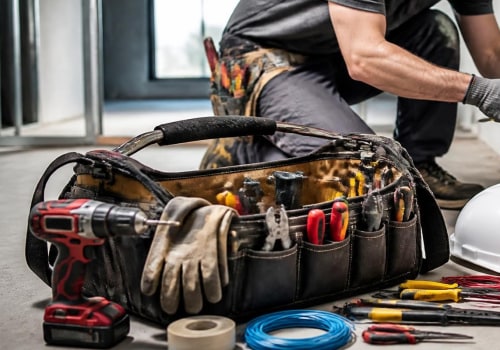
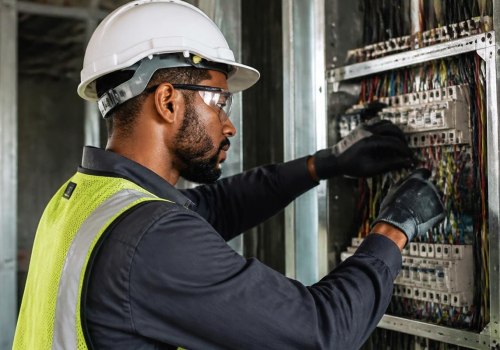
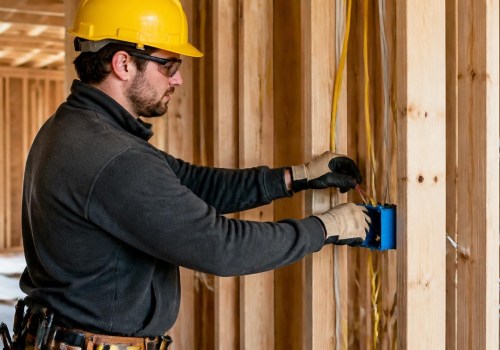
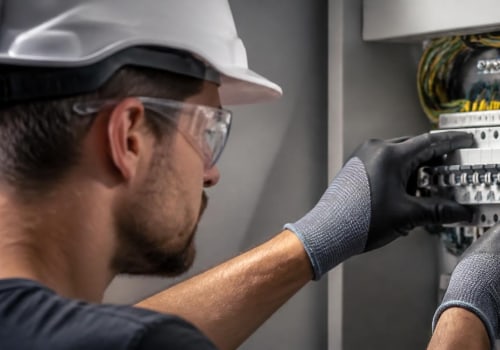
The role of an Electrical Wiring Installer is crucial in the modern electrical landscape, serving as the backbone for safe and efficient electrical systems in residential, commercial, and industrial settings. These skilled professionals are responsible for installing, maintaining, and repairing electrical wiring systems that power our homes and businesses. Their expertise ensures that electrical installations comply with safety standards and regulations, making their work not only vital but also highly specialized.Typically, an Electrical Wiring Installer engages in a variety of tasks that include reading blueprints, interpreting technical diagrams, and selecting appropriate materials for installations. They must possess a deep understanding of electrical codes and safety protocols to effectively execute their responsibilities.
This includes connecting wires to circuit breakers, transformers, and other components while ensuring that all installations are performed with precision and care.The importance of this role cannot be overstated; without qualified Electrical Wiring Installers, the risk of electrical hazards increases significantly. Their work directly impacts the safety and functionality of electrical systems, making licensing a critical step in establishing credibility and ensuring adherence to industry standards. As we delve deeper into the process of obtaining a license to work as an Electrical Wiring Installer in the United States, it becomes clear that this profession demands not only technical skills but also a commitment to ongoing education and compliance with evolving regulations.
Educational Requirements for Electrical Wiring Installers
To become a successful Electrical Wiring Installer, aspiring professionals must navigate a variety of educational pathways that equip them with the necessary skills and knowledge. The journey typically begins with obtaining a high school diploma or equivalent, which serves as the foundational requirement for further education and training.Many individuals choose to enroll in vocational training programs specifically designed for Electrical Wiring Installers.These programs often provide hands-on experience and cover essential topics such as electrical theory, safety practices, and wiring techniques. Vocational schools may offer certificates or diplomas upon completion, which can enhance job prospects.In addition to vocational training, pursuing relevant electrical courses at community colleges can be beneficial. These courses often delve deeper into subjects like circuit design, electrical code compliance, and advanced installation techniques. Completing an associate degree in electrical technology can also provide a competitive edge in the job market.Furthermore, obtaining certifications from recognized organizations can significantly bolster an installer’s credentials.
Certifications such as the National Institute for Certification in Engineering Technologies (NICET) can demonstrate proficiency and commitment to the field. Many employers prefer candidates who hold these certifications, as they indicate a higher level of expertise.In summary, the educational requirements for becoming an Electrical Wiring Installer encompass a combination of high school education, vocational training, community college courses, and relevant certifications. By pursuing these educational avenues, aspiring installers can position themselves for success in this vital industry.
Gaining Practical Experience: Apprenticeships and On-the-Job Training
To become a licensed Electrical Wiring Installer, gaining practical experience is crucial. This hands-on training not only enhances your skills but also prepares you for the challenges of the job.One of the most effective ways to acquire this experience is through apprenticeships.
Understanding Apprenticeships
An apprenticeship typically combines classroom instruction with on-the-job training, allowing aspiring Electrical Wiring Installers to learn from seasoned professionals. During this period, apprentices work under the supervision of licensed electricians, gaining invaluable insights into the intricacies of electrical systems, safety protocols, and installation techniques.- Duration: Most apprenticeship programs last between 2 to 5 years, depending on state requirements and the complexity of the skills being taught.
- Compensation: Apprentices often receive a stipend or hourly wage, which increases as they progress through their training.
- Certification: Completing an apprenticeship can lead to certification, which is often a prerequisite for obtaining a license.
The Role of On-the-Job Training
In addition to formal apprenticeships, on-the-job training plays a significant role in skill development. This type of training allows individuals to apply theoretical knowledge in real-world scenarios. Working alongside experienced electricians helps new installers understand:- The importance of adhering to local and national electrical codes.
- How to troubleshoot common electrical issues effectively.
- The best practices for ensuring safety during installations.
They not only equip individuals with the necessary skills but also enhance their employability in a competitive job market.
Understanding Licensing Requirements by State
Obtaining a license to work as an Electrical Wiring Installer in the United States is not a one-size-fits-all process; it varies significantly from state to state. Each state has its own set of regulations and requirements that aspiring electricians must navigate to ensure compliance and legality in their work.State-Specific Licensing Requirements
- California: In California, electricians must obtain a state-issued license from the Contractors State License Board (CSLB). This involves passing a written exam and demonstrating relevant work experience.
- Texas: Texas requires electricians to hold a license issued by the Texas Department of Licensing and Regulation (TDLR). Applicants must complete an apprenticeship program and pass an exam.
- Florida: In Florida, electrical contractors must be licensed at the state level or by local jurisdictions.
The process typically includes passing an exam and proving work experience.
- New York: New York does not have a statewide licensing requirement for electricians; however, many cities, including New York City, require specific licenses that involve examinations and proof of experience.
General Steps to Obtain a License
- Research State Regulations: Begin by researching the specific licensing requirements in your state. This may include understanding the types of licenses available, such as journeyman or master electrician licenses.
- Complete Required Education: Many states require completion of an accredited electrical program or apprenticeship. This education provides essential knowledge about electrical systems and safety protocols.
- Gain Work Experience: Most states mandate a certain number of hours working under a licensed electrician before you can apply for your own license.
- Pass the Licensing Exam: After meeting educational and experience requirements, candidates must pass a licensing exam that tests their knowledge of electrical theory, codes, and safety practices.
- Submit Application: Finally, submit your application along with any required fees to the appropriate state licensing board.
The Licensing Examination Process
Obtaining a license to work as an Electrical Wiring Installer involves passing a licensing examination that assesses your knowledge and skills in electrical systems.This process can seem daunting, but with the right preparation and understanding of the testing process, you can approach it with confidence.
Understanding the Licensing Exam
The licensing exam typically covers a range of topics including electrical theory, local and national electrical codes, safety practices, and installation techniques. Each state may have specific requirements regarding the content and format of the exam, so it’s crucial to check with your local licensing authority for detailed information.Exam Preparation Tips
- Study the Relevant Codes: Familiarize yourself with the National Electrical Code (NEC) as well as any state-specific regulations.
- Take Practice Exams: Utilize practice tests to gauge your understanding and identify areas where you need improvement.
- Enroll in Prep Courses: Consider enrolling in preparatory courses offered by trade schools or community colleges that focus on electrical installation.
- Join Study Groups: Collaborating with peers can provide support and enhance your learning experience.
The Testing Process
On the day of the exam, arrive early to ensure you have ample time to check in and settle down. The testing environment is typically structured to minimize distractions, allowing you to focus on your performance. Expect a combination of multiple-choice questions and practical scenarios that will test your problem-solving abilities in real-world situations.After completing the exam, results are usually provided within a few weeks.If you pass, you will receive instructions on how to obtain your license. In case of failure, don’t be discouraged; many candidates retake the exam after additional preparation.By understanding the licensing examination process, preparing effectively, and knowing what to expect on test day, you can increase your chances of becoming a licensed Electrical Wiring Installer.
Maintaining Your License: Continuing Education and Renewals
Maintaining your license as an Electrical Wiring Installer is crucial for ensuring compliance with state regulations and staying updated with industry standards. This process typically involves two key components: continuing education and license renewal.Continuing Education Requirements
Most states require licensed Electrical Wiring Installers to complete a certain number of continuing education hours every few years. These educational programs are designed to keep professionals informed about the latest technologies, safety protocols, and changes in electrical codes.Here are some common aspects of continuing education:
- Course Topics: Courses may cover advanced wiring techniques, renewable energy systems, or updates to the National Electrical Code (NEC).
- Approved Providers: Ensure that the courses you choose are approved by your state’s licensing board.
- Format: Continuing education can be completed through in-person classes, online courses, or workshops.
License Renewal Process
The renewal process for an Electrical Wiring Installer license varies by state but generally includes the following steps:- Application Submission: Submit a renewal application to your state’s licensing authority, often accompanied by a fee.
- Proof of Continuing Education: Provide documentation of completed continuing education hours as part of your renewal application.
- Background Checks: Some states may require a background check or proof of insurance during the renewal process.
Common FAQs About Becoming an Electrical Wiring Installer
Becoming an Electrical Wiring Installer can be a rewarding career choice, but many aspiring professionals have questions about the licensing process and what it entails. Here are some common FAQs that can help clarify the path to becoming a licensed installer.- What are the basic requirements to become an Electrical Wiring Installer?
Typically, you need to be at least 18 years old, have a high school diploma or equivalent, and complete an apprenticeship program or relevant training. - Do I need a license to work as an Electrical Wiring Installer?
Yes, most states require a license to legally perform electrical wiring installations. The specific requirements can vary by state. - How do I obtain my electrical wiring installer license?
The process generally involves completing an approved training program, gaining hands-on experience through an apprenticeship, and passing a licensing exam that tests your knowledge of electrical codes and safety practices. - What is the typical duration of the apprenticeship?
Apprenticeships usually last between 2 to 5 years, depending on the program and state regulations. - Are there continuing education requirements for maintaining my license?
Yes, many states require licensed electricians to complete continuing education courses periodically to stay updated on changes in electrical codes and safety standards. - What challenges might I face as an Electrical Wiring Installer?
Common challenges include working in various weather conditions, adhering to strict safety regulations, and keeping up with technological advancements in electrical systems.
Always check your local regulations for the most accurate information regarding licensing requirements in your area.
Conclusion: Your Path to Becoming a Licensed Electrical Wiring Installer
In conclusion, embarking on the journey to become a licensed Electrical Wiring Installer is both a rewarding and structured process. By following the outlined steps, you can ensure that you meet all necessary requirements and stand out in this competitive field. First and foremost, it is essential to understand the specific licensing requirements in your state, as these can vary significantly. Most states require a combination of education, practical experience, and passing a licensing exam. Therefore, investing time in researching your state’s regulations is crucial. Next, obtaining the right education is vital.Many aspiring Electrical Wiring Installers benefit from enrolling in vocational training programs or community colleges that offer courses in electrical technology. These programs not only provide foundational knowledge but also often include hands-on training that is invaluable in the field. Additionally, gaining practical experience through apprenticeships or entry-level positions can greatly enhance your skills and make you more attractive to potential employers. This on-the-job training allows you to apply what you've learned in a real-world setting, which is essential for mastering the complexities of electrical wiring. Once you have completed your education and accrued sufficient experience, preparing for the licensing exam becomes your next priority. This exam typically tests your knowledge of electrical codes, safety practices, and installation techniques.
Utilizing study guides and practice exams can significantly improve your chances of passing on the first attempt. Finally, after successfully obtaining your license, remember that continuing education is key to maintaining your credentials and staying updated with industry advancements. Many states require ongoing education to renew your license periodically. By diligently following these steps—researching state requirements, pursuing relevant education and experience, preparing for the licensing exam, and committing to lifelong learning—you will be well on your way to establishing a successful career as a licensed Electrical Wiring Installer.