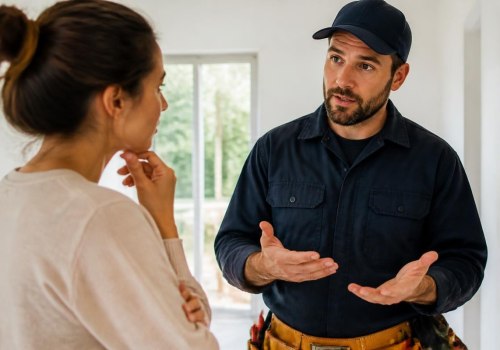
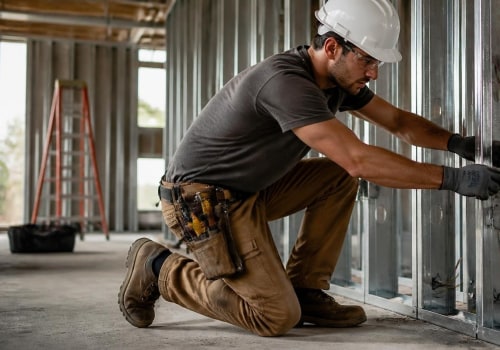
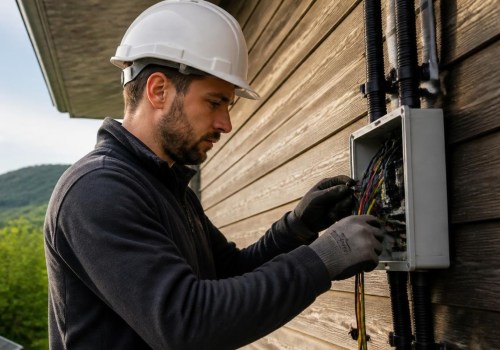
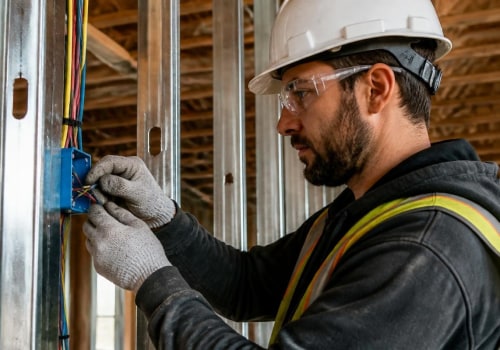
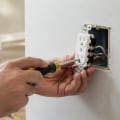
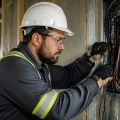
When embarking on the journey of building a new home, one of the most critical aspects to consider is the role of an Electrical Wiring Installer. These skilled professionals are responsible for ensuring that the electrical systems in your home are installed safely and efficiently. Their expertise not only encompasses the physical installation of wiring but also involves understanding local codes, safety regulations, and the latest technologies in electrical systems. The importance of having a qualified electrical installer cannot be overstated. Proper electrical wiring is essential for the functionality and safety of your home.
It affects everything from lighting and heating to powering appliances and electronic devices. A well-installed electrical system minimizes the risk of hazards such as electrical fires and short circuits, providing peace of mind for homeowners. Moreover, an experienced Electrical Wiring Installer can offer valuable insights during the planning phase, helping homeowners make informed decisions about their electrical needs. This includes determining the optimal placement of outlets, switches, and fixtures to enhance both convenience and aesthetics. By understanding the pivotal role that these installers play, homeowners can appreciate the significance of investing in quality workmanship for their new home's electrical infrastructure.
Planning Your Electrical Wiring Installation
When embarking on the journey of installing electrical wiring in a new home, the first step is planning your electrical wiring installation.This phase is crucial as it lays the groundwork for a safe and efficient electrical system.Start by creating a comprehensive electrical layout. This layout should detail the placement of outlets, switches, and fixtures throughout the home. Consider the following factors:
- Room Functionality: Different rooms have varying electrical needs. For instance, kitchens require more outlets for appliances, while living rooms may need fewer but strategically placed outlets for entertainment systems.
- Future Needs: Anticipate future electrical demands.
Planning for additional outlets or circuits can save time and money later.
- Local Codes and Regulations: Familiarize yourself with local building codes and regulations. These guidelines dictate how electrical systems should be installed to ensure safety and compliance.
These options not only enhance convenience but can lead to long-term savings on energy bills.In summary, effective planning is essential for a successful electrical wiring installation. By carefully considering your layout, understanding local regulations, and consulting with professionals, you can create a safe and functional electrical system tailored to your new home.
Choosing the Right Materials for Electrical Wiring
When it comes to installing electrical wiring in a new home, selecting the right materials is crucial for ensuring safety, efficiency, and longevity. The primary components involved in electrical wiring include various types of wires, conduits, and essential electrical components.Types of Wiring
- Non-Metallic Sheathed Cable (NM): Commonly known as Romex, this type of wiring is widely used in residential applications due to its flexibility and ease of installation. It consists of two or more insulated conductors and a bare ground wire.
- Metal-Clad Cable (MC): This type features a metal sheath that provides additional protection against physical damage.
It is ideal for areas where wiring may be exposed to potential hazards.
- Conduit Wiring: Involves running wires through protective tubing made from metal or plastic. This method is often used in commercial settings or where additional protection is needed.
Electrical Components
In addition to the wiring itself, several key components are necessary for a complete electrical system:- Breakers and Panels: Circuit breakers protect your home from overloads and short circuits. The main panel distributes electricity throughout the house.
- Outlets and Switches: These are essential for connecting devices to the electrical system. Choosing high-quality outlets and switches can enhance safety and functionality.
- Grounding Equipment: Proper grounding is vital for safety.
Ground rods and grounding wire help prevent electrical shock and equipment damage.
Tools Required for Electrical Wiring Installation
When it comes to electrical wiring installation, having the right tools is crucial for ensuring both safety and efficiency. Below is a list of essential tools that every Electrical Wiring Installer should have in their toolkit.- Wire Strippers: These are used to remove the insulation from electrical wires without damaging the conductor. A good pair of wire strippers can handle various wire sizes, making them indispensable for any installation.
- Cable Cutters: Designed specifically for cutting through thick electrical cables, cable cutters provide a clean cut and reduce the risk of fraying, which can lead to electrical hazards.
- Screwdrivers: A set of screwdrivers, including both flathead and Phillips, is essential for securing outlets, switches, and junction boxes.
Consider using insulated screwdrivers to enhance safety.
- Pliers: Needle-nose pliers are particularly useful for bending and twisting wires in tight spaces. Lineman's pliers can also be used for gripping and cutting wire.
- Voltage Tester: This tool is critical for ensuring that circuits are de-energized before beginning work. A non-contact voltage tester allows you to check for live wires safely.
- Fish Tape: Used for routing new wiring through walls, ceilings, and conduits, fish tape simplifies the process of pulling wires through tight spaces.
- Tape Measure: Accurate measurements are vital in electrical installation. A tape measure helps ensure that wires are cut to the correct lengths and that outlets are positioned properly.
- Drill and Drill Bits: A power drill is necessary for creating holes in walls or ceilings for running wires.
Having a variety of drill bits on hand will allow you to tackle different materials.
Step-by-Step Process of Installing Electrical Wiring
Installing electrical wiring in a new home is a critical task that requires careful planning and execution. Below is a step-by-step process to guide you through the wiring installation.- Planning and Design: Begin by creating a detailed electrical plan. This should include the layout of outlets, switches, and fixtures.
Ensure compliance with local building codes and regulations.
- Gathering Materials: Collect all necessary materials, including electrical wires, outlets, switches, circuit breakers, and tools such as wire strippers, pliers, and a voltage tester.
- Shutting Off Power: Before starting any work, turn off the power at the main circuit breaker to ensure safety during installation.
- Running Wires: Start by running the electrical wires through the walls. Use a fish tape to guide the wires through studs and joists. Make sure to leave enough slack at both ends for connections.
- Connecting Outlets and Switches: Strip the ends of the wires and connect them to outlets and switches according to the manufacturer's instructions. Typically, black wires connect to brass screws, white wires to silver screws, and green or bare wires to ground screws.
- Installing Circuit Breakers: Install circuit breakers in the electrical panel.
Ensure that each breaker corresponds to the correct circuit in your home.
- Testing Connections: Once all connections are made, turn the power back on and use a voltage tester to check that everything is functioning correctly. Look for any signs of shorts or faulty connections.
- Final Inspection: After testing, conduct a final inspection of your work. Ensure that all outlets are securely mounted and that there are no exposed wires.
Common Mistakes to Avoid During Installation
When it comes to electrical installations, even seasoned professionals can make mistakes.Understanding these common errors can help you avoid costly setbacks and ensure a safe and efficient wiring system in your new home.
- Neglecting Local Codes: One of the most critical mistakes is failing to adhere to local building codes and regulations. Each area has specific requirements for electrical installations, and ignoring them can lead to fines or unsafe conditions.
- Improper Wire Sizing: Using the wrong gauge of wire can result in overheating and potential fire hazards. Always consult the National Electrical Code (NEC) guidelines to determine the appropriate wire size for your specific application.
- Inadequate Circuit Planning: Overloading circuits is a common issue that arises from poor planning. Ensure that you distribute the electrical load evenly across circuits to prevent tripping breakers and potential damage to appliances.
- Ignoring Grounding Requirements: Proper grounding is essential for safety.
Failing to ground electrical systems can lead to electric shocks or equipment damage. Always ensure that grounding rods and connections are correctly installed.
- Overlooking Junction Boxes: Junction boxes are crucial for protecting wire connections. Skipping these can expose wires to damage and increase the risk of electrical fires. Always use junction boxes where necessary.
They can provide valuable insights and ensure that your installation meets all safety standards. Additionally, always double-check your work and consult with experienced professionals when in doubt. Taking the time to plan thoroughly and execute carefully will save you time, money, and stress in the long run.
Safety Precautions When Installing Electrical Wiring
When it comes to installing electrical wiring in a new home, prioritizing safety is paramount. Electrical work can be hazardous if proper precautions are not taken. Here are some essential safety tips and best practices to ensure a safe working environment:- Turn Off Power: Always ensure that the power is turned off at the circuit breaker before starting any electrical work.
Use a voltage tester to confirm that the wires are not live.
- Use Proper Tools: Invest in high-quality tools designed for electrical work. Insulated tools can help prevent accidental shocks.
- Wear Protective Gear: Equip yourself with safety glasses, gloves, and non-conductive footwear to protect against electrical hazards.
- Follow Local Codes: Familiarize yourself with local building codes and regulations regarding electrical installations. Compliance ensures safety and legality.
- Work in Dry Conditions: Avoid working in wet or damp areas, as moisture increases the risk of electric shock. Ensure your workspace is dry and well-lit.
- Label Wires Clearly: When installing multiple circuits, label each wire clearly to avoid confusion during installation and future maintenance.
- Use GFCI Outlets: Ground Fault Circuit Interrupter (GFCI) outlets should be installed in areas prone to moisture, such as kitchens and bathrooms, to prevent electrical shock.
Remember, if you are unsure about any aspect of the installation process, it is always best to consult or hire a professional Electrical Wiring Installer. Their expertise can ensure that your home’s wiring is safe, efficient, and up to code.
Hiring a Professional Electrical Wiring Installer vs. DIY Installation
When it comes to installing electrical wiring in a new home, one of the most critical decisions you'll face is whether to hire a professional Electrical Wiring Installer or attempt a DIY installation. Each option has its own set of advantages and disadvantages that can significantly impact the safety and efficiency of your electrical system.Benefits of Hiring a Professional Electrical Wiring Installer
- Expertise and Experience: Professional installers have extensive training and experience, ensuring that the wiring is done correctly and safely.
- Compliance with Codes: A licensed electrician is familiar with local building codes and regulations, which helps avoid potential legal issues.
- Time Efficiency: Professionals can complete the job more quickly than most DIYers, minimizing disruption to your schedule.
- Warranty and Insurance: Many professional services offer warranties on their work, providing peace of mind in case of future issues.
Risks of DIY Electrical Installation
- Lack of Knowledge: Without proper training, you may overlook critical safety measures, leading to hazardous situations.
- Potential for Code Violations: DIY installations often fail to meet local codes, which can result in fines or the need for costly rework.
- Increased Liability: If something goes wrong, you could be held liable for damages or injuries resulting from improper installation.
- Time-Consuming: DIY projects can take longer than anticipated, especially if you encounter unexpected challenges.
For most homeowners, hiring a qualified Electrical Wiring Installer is the safest and most efficient choice for ensuring a reliable electrical system in their new home.
Frequently Asked Questions About Electrical Wiring Installation
When it comes to electrical wiring installation, many homeowners have questions about the process, safety, and best practices. Here are some of the most frequently asked questions:- What is the first step in installing electrical wiring?
The first step is to create a detailed plan that outlines the layout of the electrical system. This includes determining the locations of outlets, switches, and fixtures, as well as calculating the load requirements for each circuit. - Do I need a permit for electrical wiring installation?
Yes, most local jurisdictions require a permit for any significant electrical work. This ensures that the installation meets safety codes and regulations.Always check with your local building department before starting.
- How do I choose the right electrical wiring?
The choice of wiring depends on several factors, including the type of building, local codes, and the specific needs of your electrical system. Common types include non-metallic sheathed cable (NM), armored cable (AC), and conduit systems. - Can I install electrical wiring myself?
While some homeowners may feel comfortable tackling minor projects, it is highly recommended to hire a qualified electrical wiring installer for major installations. Professional electricians have the training and experience to ensure safety and compliance with local codes. - What are common mistakes to avoid during installation?
Common mistakes include: - Not following local codes and regulations
- Overloading circuits
- Improperly securing wires
- Neglecting to label circuits in the breaker panel
- How long does it take to install electrical wiring in a new home?
The timeline can vary based on the size of the home and complexity of the installation. Generally, it can take anywhere from a few days to several weeks.
Conclusion: Key Takeaways on Installing Electrical Wiring in Your New Home
In conclusion, the process of installing electrical wiring in a new home is a critical aspect that requires careful planning and execution.Understanding the key steps involved can help ensure safety, efficiency, and compliance with local codes. Here are the main takeaways:
- Planning is Essential: Before any installation begins, it’s vital to create a comprehensive plan that outlines the layout of electrical outlets, switches, and fixtures. This not only helps in visualizing the project but also ensures that all necessary components are accounted for.
- Hire a Qualified Electrical Wiring Installer: While DIY projects can be tempting, hiring a professional electrical wiring installer guarantees that the work meets safety standards and local regulations. Professionals bring expertise and experience that can prevent costly mistakes.
- Understand Local Codes: Familiarize yourself with local building codes and regulations regarding electrical installations. Compliance is not just about legality; it also enhances safety and functionality.
- Use Quality Materials: Investing in high-quality wiring, outlets, and circuit breakers can significantly impact the longevity and safety of your electrical system.
Cheap materials may save money upfront but can lead to issues down the line.
- Test Your System: After installation, thorough testing of the electrical system is crucial. This includes checking for proper grounding, ensuring circuits are functioning correctly, and verifying that there are no short circuits.