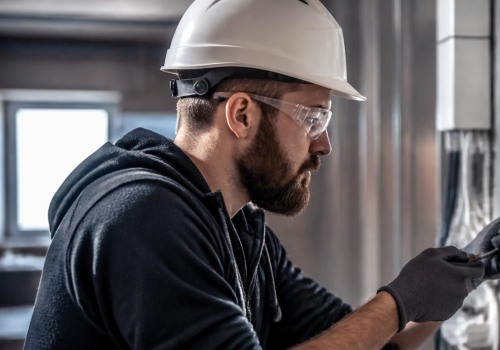
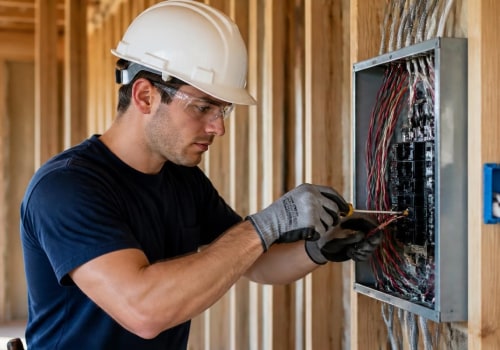
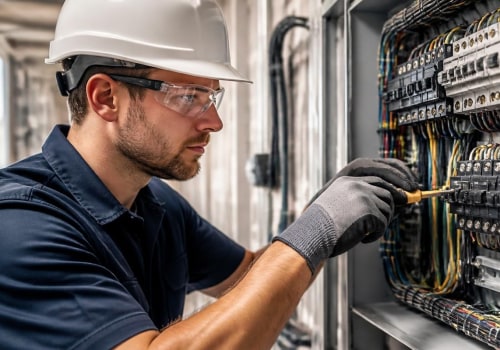
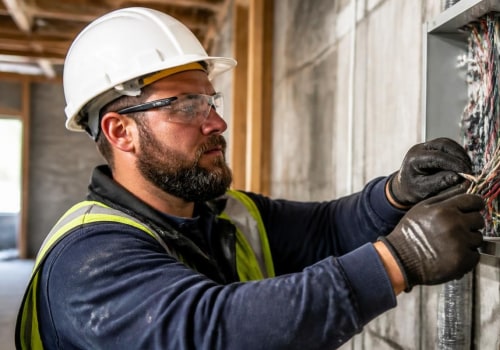
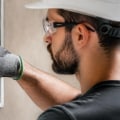
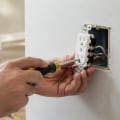
In the intricate world of construction projects, the role of an Electrical Wiring Installer is pivotal. These skilled professionals are responsible for the installation, maintenance, and repair of electrical systems, ensuring that buildings are not only functional but also safe and compliant with regulations. Their expertise goes beyond merely connecting wires; they play a crucial part in the overall design and execution of electrical layouts that support various systems within a structure. Collaboration is key in the construction industry, and electrical installers often work closely with other tradespeople such as plumbers, HVAC technicians, and general contractors. This teamwork is essential for coordinating efforts to avoid conflicts between different systems, such as ensuring that electrical wiring does not interfere with plumbing installations or ductwork.
By engaging in open communication and planning sessions, electrical installers help streamline the construction process, ultimately leading to more efficient project completion. The importance of electrical wiring installers extends beyond their technical skills; they are integral to fostering a collaborative environment on-site. Their ability to interpret blueprints and understand the requirements of various trades allows them to contribute valuable insights during project meetings. This synergy not only enhances the quality of work but also minimizes delays and reduces costs, making them indispensable members of any construction team.
Understanding the Collaboration Landscape
In the dynamic environment of construction, Electrical Wiring Installers play a crucial role that extends beyond their individual tasks. Their work is deeply intertwined with various other trades, necessitating effective collaboration to ensure the successful completion of projects.Collaboration in Construction
is essential for maintaining timelines and ensuring safety standards.Electrical wiring installers frequently work alongside:
- General Contractors: These professionals oversee the entire project, coordinating schedules and ensuring that all trades are aligned with the project goals.
- Plumbers: Since plumbing and electrical systems often share spaces, effective communication between electricians and plumbers is vital to avoid conflicts and ensure proper installation.
- HVAC Technicians: The integration of heating, ventilation, and air conditioning systems with electrical wiring requires close collaboration to optimize energy efficiency and functionality.
- Carpenters: Carpenters often need to create pathways for electrical wiring within walls and ceilings, making their collaboration essential for seamless installations.
- Insulation Contractors: Proper insulation can affect electrical performance; thus, installers must coordinate with insulation teams to ensure that wiring is not compromised.
Electrical Wiring Installers
must communicate effectively with these professionals to address challenges as they arise, share insights on best practices, and ensure that all systems function harmoniously.Moreover, regular meetings and site inspections foster a collaborative atmosphere where issues can be resolved promptly. By understanding each trade's unique requirements and constraints, electrical wiring installers can contribute to a more efficient workflow, ultimately leading to higher quality outcomes in construction projects.Key Trades That Electrical Wiring Installers Collaborate With
Electrical wiring installers play a crucial role in the construction and maintenance of buildings, and their work often intersects with several other trades. Understanding how they collaborate with these professionals is essential for ensuring a seamless workflow and high-quality results.Collaboration with Plumbers
One of the primary trades that electrical wiring installers work alongside is plumbing.Both trades are essential for the functionality of a building, but they often require careful coordination to avoid conflicts. For instance, when installing electrical systems in areas where plumbing is present, such as kitchens and bathrooms, electrical wiring installers must ensure that their installations do not interfere with plumbing lines. Regular communication helps both parties plan their work schedules effectively, minimizing disruptions and ensuring compliance with safety codes.
Partnership with HVAC Technicians
Another key collaboration occurs between electrical wiring installers and HVAC technicians. HVAC systems rely heavily on electrical components for operation, including thermostats, air handlers, and control panels.Electrical wiring installers must work closely with HVAC professionals to ensure that all electrical connections are correctly made and that systems operate efficiently. This partnership is vital during the installation phase of new HVAC systems, where both trades need to coordinate their efforts to integrate electrical wiring seamlessly into the overall system.
Interaction with Carpenters
Carpenters also play a significant role in the construction process, particularly when it comes to framing and structural elements. Electrical wiring installers often need to run wires through walls, ceilings, and floors that carpenters have constructed. Effective collaboration ensures that the necessary pathways for wiring are created without compromising the structural integrity of the building.By working together during the framing stage, both trades can identify potential issues early on and make adjustments as needed.
Collaboration with Electricians
Lastly, while electrical wiring installers are skilled in their own right, they frequently collaborate with other electricians. This partnership is particularly important for larger projects where multiple electricians may be involved. They share insights on best practices for installation techniques, troubleshoot issues together, and ensure that all electrical systems meet local codes and regulations. This teamwork not only enhances efficiency but also elevates the overall quality of the electrical work being performed.In summary, the collaboration between electrical wiring installers and other trades such as plumbers, HVAC technicians, carpenters, and electricians is vital for successful project completion.By fostering strong working relationships and maintaining open lines of communication, these professionals can ensure that all aspects of a project are executed smoothly and effectively.
Communication Strategies for Effective Collaboration
Effective communication is the cornerstone of successful collaboration among tradespeople, particularly for Electrical Wiring Installers. In a construction environment where multiple trades intersect, clear and concise communication can prevent costly mistakes and ensure that projects stay on schedule.Utilizing Technology for Communication
- Project Management Software: Tools like Trello, Asana, or Microsoft Teams allow for real-time updates and task assignments, ensuring that all team members are on the same page.
- Instant Messaging Apps: Platforms such as Slack or WhatsApp facilitate quick exchanges of information, enabling Electrical Wiring Installers to ask questions or clarify details without delay.
- Video Conferencing: For larger teams or remote consultations, video calls can bridge the gap between different trades, allowing for visual demonstrations and discussions.
Best Practices for Teamwork
- Regular Meetings: Scheduling weekly or bi-weekly meetings helps to address ongoing issues and plan for upcoming tasks. This fosters a culture of open dialogue.
- Clear Roles and Responsibilities: Defining each tradesperson's role minimizes overlap and confusion. When everyone knows their responsibilities, it enhances accountability.
- Feedback Loops: Encouraging constructive feedback among team members can lead to improvements in processes and collaboration techniques.
This practice not only builds trust but also enhances overall project quality.
Challenges Faced During Collaboration and How to Overcome Them
Collaboration among tradespeople, including Electrical Wiring Installers, is essential for the successful completion of construction projects. However, various challenges can arise during this collaborative process.Common Collaboration Challenges
- Communication Gaps: Misunderstandings can occur when tradespeople do not effectively communicate their needs and timelines.
- Scheduling Conflicts: Different trades often have overlapping schedules, leading to delays and frustration.
- Resource Allocation: Limited resources can create competition among trades, resulting in conflicts over equipment and materials.
- Differing Standards: Each trade may have its own standards and practices, which can lead to inconsistencies in project execution.
Strategies for Overcoming Challenges
To mitigate these challenges, Electrical Wiring Installers and other tradespeople can adopt several strategies:- Establish Clear Communication: Regular meetings should be scheduled to discuss project updates, expectations, and any potential issues. Utilizing collaborative tools like project management software can enhance transparency.
- Create a Unified Schedule: Developing a comprehensive project timeline that includes all trades can help minimize scheduling conflicts.
This schedule should be regularly updated to reflect any changes.
- Foster Teamwork: Encouraging a culture of teamwork among all trades can help build relationships and reduce competition. Team-building activities or joint training sessions can enhance collaboration.
- Standardize Practices: Where possible, establishing common standards across trades can help ensure consistency and quality in the work being performed.
Case Studies: Successful Collaborations in Electrical Wiring Projects
Collaboration among tradespeople is essential in the construction and renovation industries, particularly for Electrical Wiring Installers. Here are some real-world examples that showcase successful teamwork:Case Study 1: Residential Renovation
In a recent residential renovation project, an Electrical Wiring Installer worked closely with plumbers and HVAC technicians. The project involved upgrading the electrical system to accommodate new appliances and lighting fixtures.The installer coordinated with the plumbing team to ensure that electrical wiring did not interfere with plumbing lines. This proactive communication prevented potential conflicts and delays, resulting in a smooth installation process.
Case Study 2: Commercial Building Construction
A commercial building project highlighted the importance of collaboration between Electrical Wiring Installers, carpenters, and general contractors. During the framing phase, the electrical team provided input on the placement of outlets and switches, ensuring they aligned with the architectural design. This early involvement allowed for adjustments that enhanced both functionality and aesthetics, ultimately leading to a successful project completion ahead of schedule.Case Study 3: Industrial Facility Upgrade
In an industrial facility upgrade, Electrical Wiring Installers collaborated with mechanical engineers and safety inspectors.The engineers designed new machinery that required specific electrical configurations. The installers worked alongside them to ensure that all wiring met safety standards while also being efficient. Regular meetings facilitated open dialogue, allowing for quick problem-solving when unexpected challenges arose.These case studies illustrate that effective collaboration among Electrical Wiring Installers and other tradespeople not only enhances project efficiency but also contributes to higher quality outcomes. By fostering strong communication and teamwork, projects can be completed on time and within budget, showcasing the value of collaborative efforts in the construction industry.
The Future of Collaboration Among Tradespeople
As the construction industry evolves, the collaboration among tradespeople is becoming increasingly sophisticated.The integration of new technologies and methodologies is reshaping how Electrical Wiring Installers work alongside other trades, leading to enhanced efficiency and safety on job sites.
Emerging Technologies
One of the most significant trends influencing collaboration is the adoption of Building Information Modeling (BIM). This technology allows various trades to visualize the entire project in a 3D environment, facilitating better communication and coordination. For instance, an Electrical Wiring Installer can easily identify potential conflicts with plumbing or HVAC systems before installation begins, reducing costly rework.Interdisciplinary Training
Another trend is the push for interdisciplinary training among tradespeople. As roles evolve, electricians are increasingly expected to understand basic principles of other trades.This knowledge fosters a collaborative spirit on-site, as Electrical Wiring Installers can engage more effectively with plumbers, carpenters, and HVAC technicians.
The Role of Project Management Software
The rise of project management software tailored for construction is also enhancing teamwork. These platforms allow for real-time updates and communication among all trades involved in a project. By utilizing such tools, Electrical Wiring Installers can stay informed about changes in schedules or designs, ensuring that their work aligns seamlessly with that of others.Sustainability and Green Building Practices
The growing emphasis on sustainability is another factor driving collaboration. As projects increasingly focus on energy efficiency and eco-friendly practices, Electrical Wiring Installers must work closely with other trades to implement green technologies effectively.This collaboration not only enhances the overall quality of construction but also meets the rising demand for sustainable building solutions.In conclusion, the future of collaboration among tradespeople is poised for transformation. With advancements in technology, training, and project management practices, Electrical Wiring Installers will play a pivotal role in fostering teamwork that enhances project outcomes and drives innovation in the construction industry.
FAQs About Electrical Wiring Installers and Collaboration
When it comes to the role of an Electrical Wiring Installer, collaboration with other tradespeople is essential for the successful completion of any project. Here are some frequently asked questions regarding this teamwork:How do Electrical Wiring Installers collaborate with other trades?
Electrical Wiring Installers often work alongside plumbers, HVAC technicians, and general contractors. This collaboration ensures that all systems within a building function harmoniously.For instance, while installing wiring, an electrician must coordinate with plumbers to avoid conflicts with piping and drainage systems.
What are the common challenges faced during collaboration?
- Scheduling Conflicts: Different trades may have varying timelines, which can lead to delays if not managed properly.
- Communication Gaps: Misunderstandings can arise if there is a lack of clear communication regarding project specifications.
- Safety Concerns: Each trade has its own safety protocols, and ensuring compliance across all teams is crucial.
What tools do Electrical Wiring Installers use for effective collaboration?
To facilitate better teamwork, Electrical Wiring Installers often utilize:- Project Management Software: Tools like Trello or Asana help track progress and deadlines.
- Communication Platforms: Apps such as Slack or Microsoft Teams enable real-time discussions and updates.
- Blueprints and Schematics: Sharing detailed plans ensures everyone is on the same page regarding installations.
How can effective collaboration improve project outcomes?
When Electrical Wiring Installers collaborate effectively with other trades, it leads to:- Smoother Workflow: Reduced downtime and increased efficiency in completing tasks.
- Enhanced Quality: A collective approach often results in higher quality workmanship.
- Crisis Management: Quick problem-solving when unexpected issues arise during the installation process.