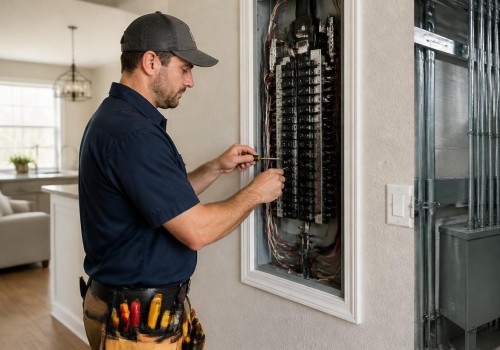
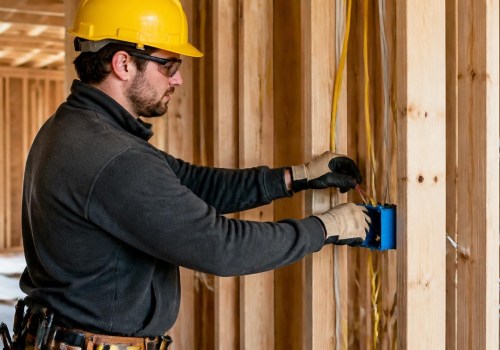
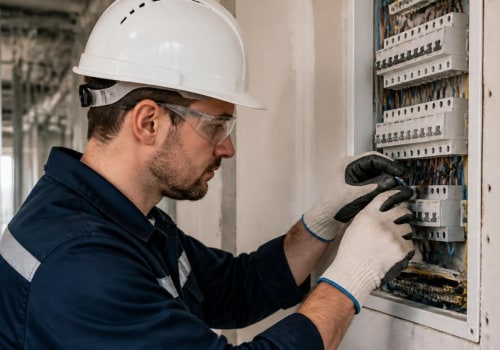
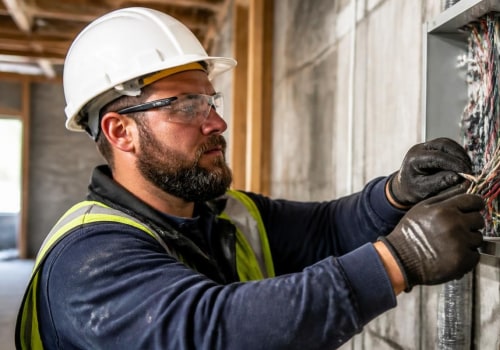
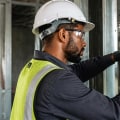
The profession of an Electrical Wiring Installer is crucial in the construction and maintenance of electrical systems in residential, commercial, and industrial settings. These skilled professionals are responsible for installing, maintaining, and repairing electrical wiring and equipment, ensuring that all systems operate safely and efficiently. Their work not only involves laying out wiring but also adhering to strict safety codes and regulations, making their role vital in preventing electrical hazards. An Electrical Wiring Installer typically collaborates with other construction professionals, such as electricians and contractors, to ensure that electrical systems are integrated seamlessly into building designs. This collaboration requires a deep understanding of blueprints and technical diagrams, as well as the ability to troubleshoot issues that may arise during installation.
The role demands a keen attention to detail and a commitment to quality workmanship, as even minor errors can lead to significant safety risks. Moreover, the importance of an Electrical Wiring Installer extends beyond mere installation; they play a key role in the ongoing maintenance of electrical systems. Regular inspections and updates are essential to keep systems running smoothly and to comply with evolving safety standards. As technology advances, these professionals must stay informed about new materials and techniques, making continuous education a vital aspect of their career.
Educational Requirements for Electrical Wiring Installers
To embark on a career as an Electrical Wiring Installer, aspiring professionals must meet certain educational requirements that lay the foundation for their technical skills. The journey typically begins with obtaining a high school diploma or its equivalent.This credential is crucial as it provides essential knowledge in mathematics, physics, and basic electrical principles, which are vital for understanding wiring systems.In addition to a high school diploma, many candidates choose to pursue further education through vocational training programs. These programs are often offered at community colleges, technical schools, or trade schools and focus specifically on electrical installation and maintenance. A typical vocational program may cover:
- Electrical theory
- Blueprint reading
- Wiring techniques
- Safety protocols
- Local electrical codes
Continuous education through workshops and certification courses can further enhance their qualifications and job prospects.
Certification and Licensing for Electrical Wiring Installers
To work as an Electrical Wiring Installer, obtaining the necessary certifications and licenses is crucial for ensuring compliance with state regulations and industry standards. The requirements can vary significantly from one state to another, so it is essential to understand the specific regulations that apply in your area.Certification Requirements
While not all states mandate certification for Electrical Wiring Installers, obtaining a certification can enhance job prospects and demonstrate a commitment to the profession. Common certifications include:- National Institute for Certification in Engineering Technologies (NICET): This certification is widely recognized and offers various levels based on experience and expertise in electrical installations.
- National Electrical Contractors Association (NECA): NECA provides training programs that can lead to certification, focusing on safety and best practices in electrical wiring.
- State-Specific Certifications: Some states may have their own certification programs that align with local codes and regulations.
Licensing Requirements
Licensing is often a legal requirement for Electrical Wiring Installers. Here are some general steps to obtain a license:- Complete Required Education: Many states require a high school diploma or equivalent, along with completion of an accredited electrical training program.
- Gain Work Experience: Most states mandate a certain number of hours working under a licensed electrician, typically ranging from 2,000 to 8,000 hours.
- Pass the Licensing Exam: Candidates must pass a state-administered exam that tests knowledge of electrical theory, local codes, and safety practices.
- Submit Application and Fees: After passing the exam, applicants must submit their licensing application along with any required fees.
Regularly checking with local regulatory bodies can help ensure compliance and maintain your credentials.
Apprenticeship Programs and On-the-Job Training
Becoming a successful Electrical Wiring Installer requires more than just theoretical knowledge; it necessitates practical experience gained through apprenticeship programs and on-the-job training. These avenues provide aspiring installers with the hands-on skills needed to excel in the field.Apprenticeship Programs
- Apprenticeships typically last between 3 to 5 years and combine classroom instruction with practical training.
- During this period, apprentices learn about electrical codes, safety practices, and installation techniques under the supervision of experienced professionals.
- Many apprenticeship programs are sponsored by unions or trade organizations, which can offer additional resources and networking opportunities.
- Visit local trade schools or community colleges that offer electrical programs.
- Contact local unions or professional associations for information on available apprenticeships.
- Utilize online job boards and resources dedicated to skilled trades.
On-the-Job Training
In addition to formal apprenticeships, on-the-job training is crucial for developing the necessary skills. This type of training allows individuals to:
- Work alongside seasoned electricians, gaining insights into real-world challenges and solutions.
- Practice installing wiring systems in various settings, from residential homes to commercial buildings.
- Learn how to troubleshoot issues that may arise during installations, enhancing problem-solving abilities.
Skills Required for Success as an Electrical Wiring Installer
To thrive as an Electrical Wiring Installer, a combination of technical skills and soft skills is essential.These competencies not only enhance job performance but also ensure safety and efficiency in electrical installations.
Technical Skills
- Understanding of Electrical Codes: Familiarity with local, state, and national electrical codes is crucial. This knowledge ensures that installations comply with safety standards and regulations.
- Wiring Techniques: Proficiency in various wiring methods, including residential, commercial, and industrial applications, is vital. Installers must know how to read blueprints and schematics to execute installations accurately.
- Tool Proficiency: Competence in using hand tools, power tools, and testing equipment is necessary. This includes wire strippers, multimeters, and conduit benders.
- Troubleshooting Skills: The ability to diagnose and resolve electrical issues quickly is a key skill.
Installers must be adept at identifying problems in wiring systems and implementing effective solutions.
Soft Skills
- Attention to Detail: Precision is critical in electrical work. A small mistake can lead to significant safety hazards or costly repairs.
- Communication Skills: Effective communication with clients, team members, and other contractors is essential for successful project completion. Clear explanations of work performed can enhance customer satisfaction.
- Problem-Solving Abilities: The capacity to think critically and creatively when faced with unexpected challenges is invaluable in this field.
- Time Management: Being able to manage time efficiently ensures that projects are completed on schedule without compromising quality.
Job Outlook and Career Advancement Opportunities
The job outlook for Electrical Wiring Installers is promising, driven by the ongoing demand for skilled professionals in the construction and electrical sectors.According to the U.S. Bureau of Labor Statistics, employment for electricians, which includes electrical wiring installers, is projected to grow by 8% from 2019 to 2029, faster than the average for all occupations. This growth is largely attributed to the increasing complexity of electrical systems and the need for upgrades in older buildings.As technology advances, there is a rising demand for renewable energy sources, such as solar and wind power, which require specialized installation skills. Additionally, the expansion of smart home technologies is creating new opportunities for electrical wiring installers who are adept at integrating these systems into residential and commercial properties.
Salary Expectations
The salary for electrical wiring installers can vary significantly based on factors such as location, experience, and specialization.As of May 2020, the median annual wage for electricians was approximately $56,900. However, those with advanced skills or certifications can earn significantly more. For instance, electricians working in metropolitan areas or those specializing in high-demand fields like renewable energy may see salaries exceeding $70,000 annually.
Career Advancement Opportunities
Career advancement opportunities for electrical wiring installers are abundant. With experience and additional training, many professionals move into supervisory roles or become project managers.Others may choose to specialize further in areas such as industrial electrical work, commercial installations, or even energy efficiency consulting. Obtaining certifications from recognized organizations can also enhance job prospects and lead to higher-paying positions.In summary, the future looks bright for those pursuing a career as an Electrical Wiring Installer. With a strong job outlook, competitive salaries, and numerous pathways for advancement, this profession offers both stability and growth potential in an evolving industry.
Frequently Asked Questions about Becoming an Electrical Wiring Installer
As you consider a career as an Electrical Wiring Installer, you may have several questions regarding the qualifications and career path. Below are some frequently asked questions that can help clarify your journey in this field.- What educational background is required?
Most employers prefer candidates with a high school diploma or equivalent.Courses in mathematics, physics, and electrical theory can be beneficial. Additionally, vocational training or an associate degree in electrical technology can enhance your knowledge and skills.
- Is certification necessary?
While not always mandatory, obtaining certification can significantly improve your job prospects. Certifications from recognized organizations, such as the National Institute for Certification in Engineering Technologies (NICET), demonstrate your expertise and commitment to the profession. - Do I need to complete an apprenticeship?
Yes, completing an apprenticeship is highly recommended. Apprenticeships typically last 4-5 years and combine on-the-job training with classroom instruction.This hands-on experience is invaluable for mastering the skills required to become a successful Electrical Wiring Installer.
- What skills are essential for this role?
Key skills include: - Technical proficiency: Understanding electrical systems and wiring techniques.
- Problem-solving abilities: Diagnosing issues and implementing effective solutions.
- Attention to detail: Ensuring all installations meet safety standards and regulations.
- Physical stamina: The job often requires lifting heavy materials and working in various environments.
- What is the career outlook for Electrical Wiring Installers?
The demand for skilled Electrical Wiring Installers is expected to grow as new construction projects increase and existing buildings require upgrades. This growth translates into numerous job opportunities across various sectors, including residential, commercial, and industrial settings.
Conclusion: Key Takeaways on Becoming an Electrical Wiring Installer
In conclusion, becoming an Electrical Wiring Installer is a rewarding career choice that offers numerous opportunities for growth and advancement. As we have discussed, there are several key qualifications and steps necessary to embark on this path.- Education: A high school diploma or equivalent is essential, as it lays the foundation for further training.
- Training: Completing an apprenticeship program is crucial. This hands-on experience not only enhances your skills but also provides valuable insights into the industry.
- Licensing: Obtaining the necessary licenses and certifications is vital.
Each state has its own requirements, so it's important to familiarize yourself with local regulations.
- Skills Development: Strong problem-solving abilities, attention to detail, and physical stamina are important traits for success in this field.